
Leather, Fur & Suede Alterations in Granite Bay
Luxury Materials Deserve Expert Hands
A leather jacket that fits across the shoulders but pools at the waist. A sleeve that runs past the wrist. A zipper that failed halfway through the season. All of these are repairable, but they take the right industrial machines and someone who handles hide regularly. Stitching Studio works on leather, suede, shearling, and fur for people in Granite Bay who would rather keep a good piece than give up on it. Bring it by and we will tell you honestly what it needs.
Updated
What this service looks like in Granite Bay
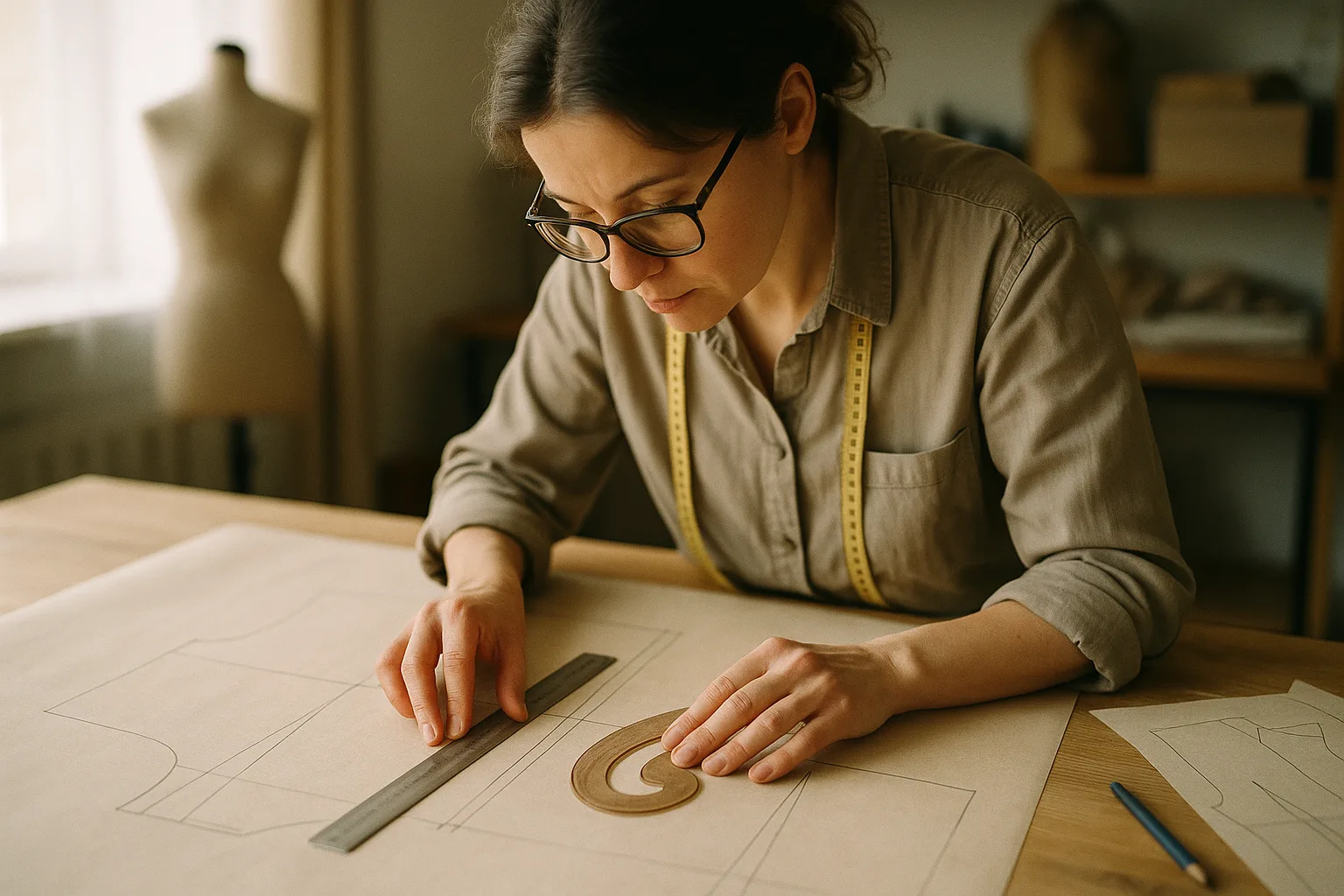
Granite Bay sits in Placer County near the lake, and the closets here lean toward quality. That usually means real pieces rather than throwaway fashion: a leather jacket that was bought well, a shearling coat, a suede blazer, sometimes a fur that came down through the family. People expect to wear these for years, and a good alteration keeps them in rotation instead of sending them to the back of the closet. Most folks who come to us from this area aren't after a quick hem on a cotton shirt. They are carrying something with weight and history, the kind of garment a general dry cleaner's tailor would usually hand back untouched.
Working hide is its own trade. Once a needle goes through, the hole stays, so there is no test-stitching the way you would with woven cloth. The skin gives in one direction and barely budges in another, and topstitching has to land right where the original sat or the panel looks off. We are about fourteen miles away in Antelope, and the drive is easy. A lot of people fold it into errands they are already running toward Roseville, Folsom, or Rocklin, all of which we serve from the same place. A piece you spent real money on is worth handing to someone who does this work every week.
How It Works
Bring Your Garment
Bring your leather jacket, fur coat, or suede piece for a free in-person assessment and detailed quote.
Specialist Alteration
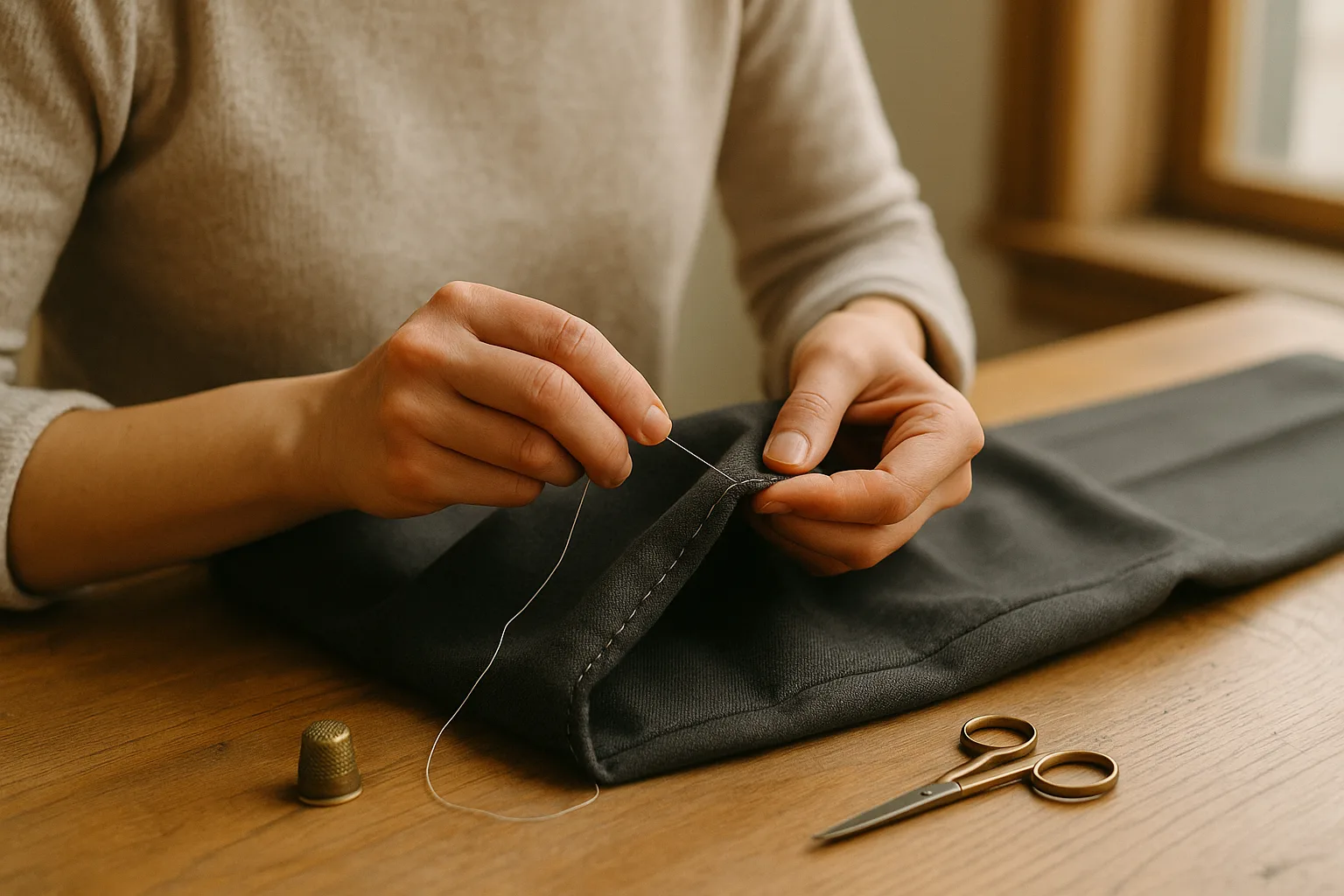
Your garment is handled by our master tailor using specialized needles, thread, and machinery designed for luxury materials.
Quality Check & Pickup
Every seam is inspected before handoff. Try it on in-studio to ensure a flawless fit.
Give us a call at (209) 280-9964 to say you're coming, or just stop by the studio with the garment. We will need you to put the piece on, because hide has to be judged on the body rather than flat on a table. We will mark what should move, walk you through what is realistic for that particular skin, and price the work before anything starts. A zipper or a simple seam can be ready in a few days. A full resize or fur repair runs longer. Either way, you will know the timeline before you head out.
Starting Prices
Prices vary based on garment type and complexity. Contact us for a precise quote.
Leather & Suede
| Service | Starting price |
|---|---|
| Jacket Hem / Shorten | $75 and up |
| Sleeve Shortening | $85 and up |
| Take In / Let Out | $95 and up |
| Zipper Replacement | $85 and up |
| Lining Replacement | $120 and up |
Fur & Specialty
| Service | Starting price |
|---|---|
| Fur Coat Resizing | $150 and up |
| Fur Collar / Cuff Adjustment | $85 and up |
| Shearling Alterations | $120 and up |
| Exotic Skin Repair | $95 and up |
Why Granite Bay chooses us
Specialized Equipment
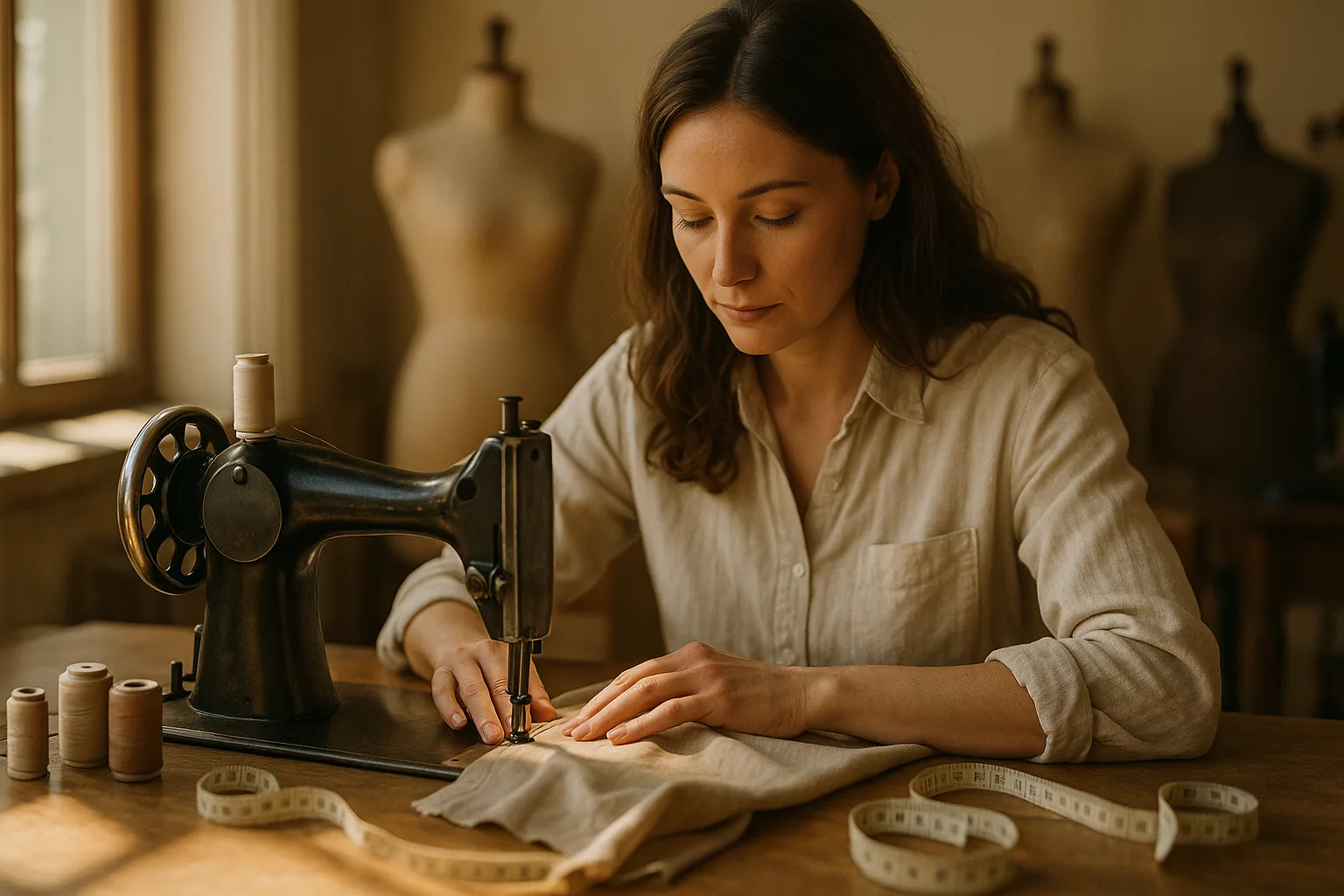
Industrial machines with Teflon feet, walking feet, and heavy-duty needles designed for leather and suede.
12+ Years Experience
Our master tailor has over a decade of experience working with luxury and exotic materials.
Preserve & Protect
We work with the grain of the material — no damage, no stretching, no compromised integrity.
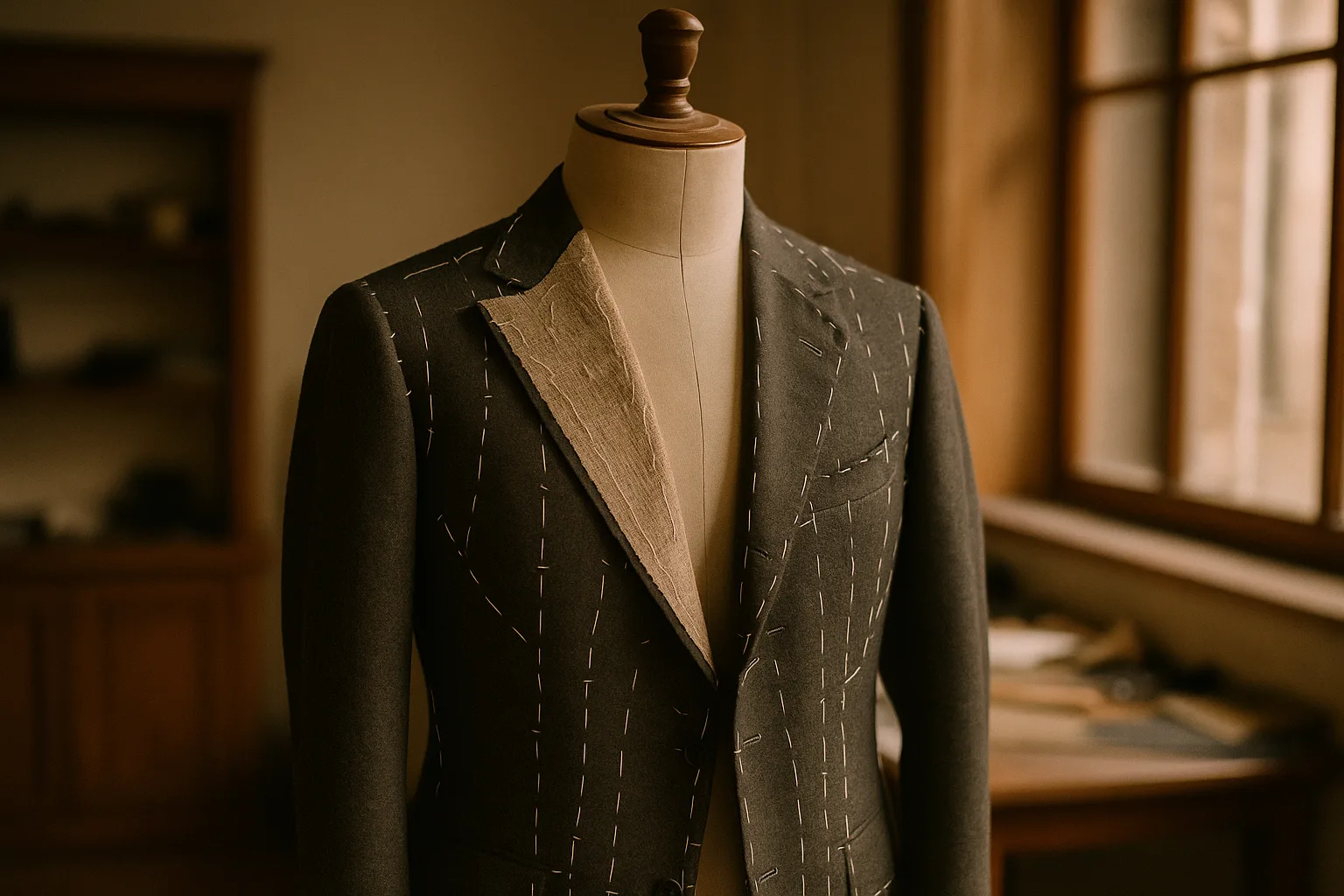
Leather, suede, and fur are where a lot of alteration shops stop, and the reasons are practical. The work calls for industrial machines that can drive a needle through thick hide, along with enough hands-on experience to read how a given skin will move before you cut. We have spent years on this exact kind of material.
Taking a jacket in through the body, shortening sleeves from the cuff or the shoulder depending on how the piece is built, swapping a dead zipper without rippling the leather around it, mending a shearling seam, bringing an older fur back into shape. Around here that is the regular workload. People in this area tend to own clothing that earns the care, and we handle it that way: looked over honestly, priced up front, and finished so the repair settles into the original garment. When a job can't be done well, we say so before you commit.
Frequently Asked Questions
Other alteration services in Granite Bay
Denim Tailoring in Granite Bay
From $25 — Original-hem preservation, tapering, waist adjustment.
48-Hour Hem in Granite Bay
From $35 — Drop off by 4pm, ready in 48 hrs — guaranteed.
Custom Tailoring in Granite Bay
From $200 — Suits, shirts, dresses built to your measurements.
Bundle Alterations in Granite Bay
From $180 — Bring 3+ garments and save 10–20% on the total.
Bridal Alterations in Granite Bay
From $75 — Bustle, hem, bodice; 2–3 fittings; book 6–8 wks out.
Mobile Tailoring in Granite Bay
From $35 — We come to you; same studio quality, no drop-off.
Alterations in Granite Bay
From $25 — Hemming, taking in, resizing — 3–5 day turnaround.
Leather, Fur & Suede Alterations in Granite Bay
Leather, Suede, and Fur Alterations for Granite Bay
There's a reason most tailors hesitate when you walk in with a leather jacket. A standard sewing machine stalls partway through a thick seam, and once you put a hole in hide, it stays put. You cannot steam a crease out of cowhide or ease a misjudged dart back into place the way you can with cloth. Stitching Studio works with leather, suede, shearling, and fur as a regular part of the schedule, which is why people in this area bring us the pieces a corner alterations shop turns down. This page walks through how these garments actually get altered, what is realistic to expect, and why the drive makes sense for clothing worth keeping.
Why leather is a different craft from cloth
With a wool blazer or a cotton dress, you have room to experiment. You can pin it, baste it, try it on, pull the stitches, and start over with nothing lost. Hide does not give you that. It stretches readily one way and barely at all the other, so a panel that looked square on the cutting table can pull crooked once it is worn. The grain has to run consistently across seams or the piece reads as patched together. Then there is the topstitching, that visible row of stitches along an edge, which on leather is a design element as much as a structural one. A repair has to reproduce the original spacing and thread weight, or it shows. Suede brings its own headaches. The napped surface marks easily, holds needle tracks, and won't take a press the way smooth leather will. Shearling has to be sewn so the dense wool layer doesn't bunch up inside the seam. Fur is closer to furriering than to tailoring, worked from the skin side with its own set of techniques. The common thread is that all of them need industrial equipment and a worker who has done it enough times to know how the material will behave.