
Denim & Casual Alterations in Folsom
Perfect Fit for Your Everyday Wardrobe
Denim and casual alterations for Folsom — original-hem preservation, tapering, waist adjustment, and structural repair across the spectrum from Intel-engineering everyday-wear denim to Lake Natoma cycling-and-trail-running casual to the older Folsom-historic-district weekend-wear register. Anchored on the Intel Folsom Campus engineering casual-wear cycle (the Bay-Area-tech denim register that travels well between on-campus and customer-meeting contexts), the Lake Natoma and American River Parkway cycling and kayaking community whose casual-wear needs to transition between trail use and post-trail social contexts at the Palladio at Broadstone or Folsom Premium Outlets, the multicultural Intel-family denim register (Western-tradition denim alongside cultural-context casual wear), and the multi-generational Folsom Historic District closet where quality denim from a decade or two back is part of the everyday wardrobe rotation.
Updated
What this service looks like in Folsom
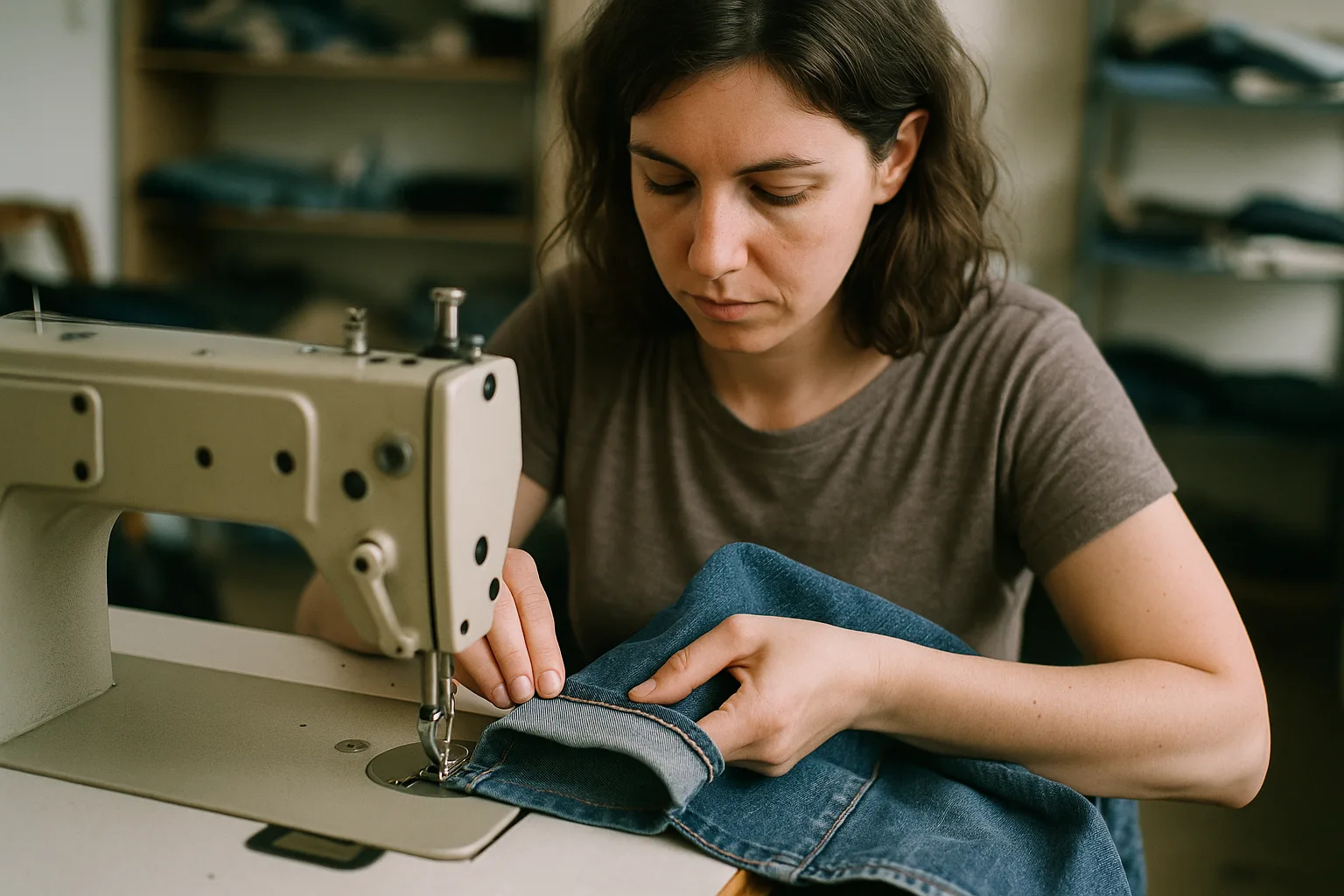
Folsom's denim alteration profile is shaped distinctively by the Intel Folsom Campus engineering casual-wear cycle and the Lake Natoma outdoor-recreation community, with secondary patterns from the multicultural Intel-family casual register and the multi-generational Folsom Historic District household. The Intel engineering casual-wear cycle is the highest-volume Folsom denim pattern: the Bay-Area-tech-influenced register that runs from selvedge raw denim through technical performance denim to the lightweight everyday register the on-campus workday tends to favor. Intel engineers and management consistently bring denim that needs taper adjustment for the contemporary slim profile, hem updates as the wear-cycle adjusts ankle break, and waist let-out or take-in as the engineering-bench-and-screen workday tends to shift the body composition across the year. The taper-and-hem combination for the Intel casual-wear register is specific — slim enough that the cut reads as intentional rather than dated, structured enough that the cut survives the engineering-stance reach and the on-campus customer-meeting context, and clean enough at the cuff that the denim transitions from on-campus to a Palladio at Broadstone or East Bidwell Street dinner without reading as utility wear.
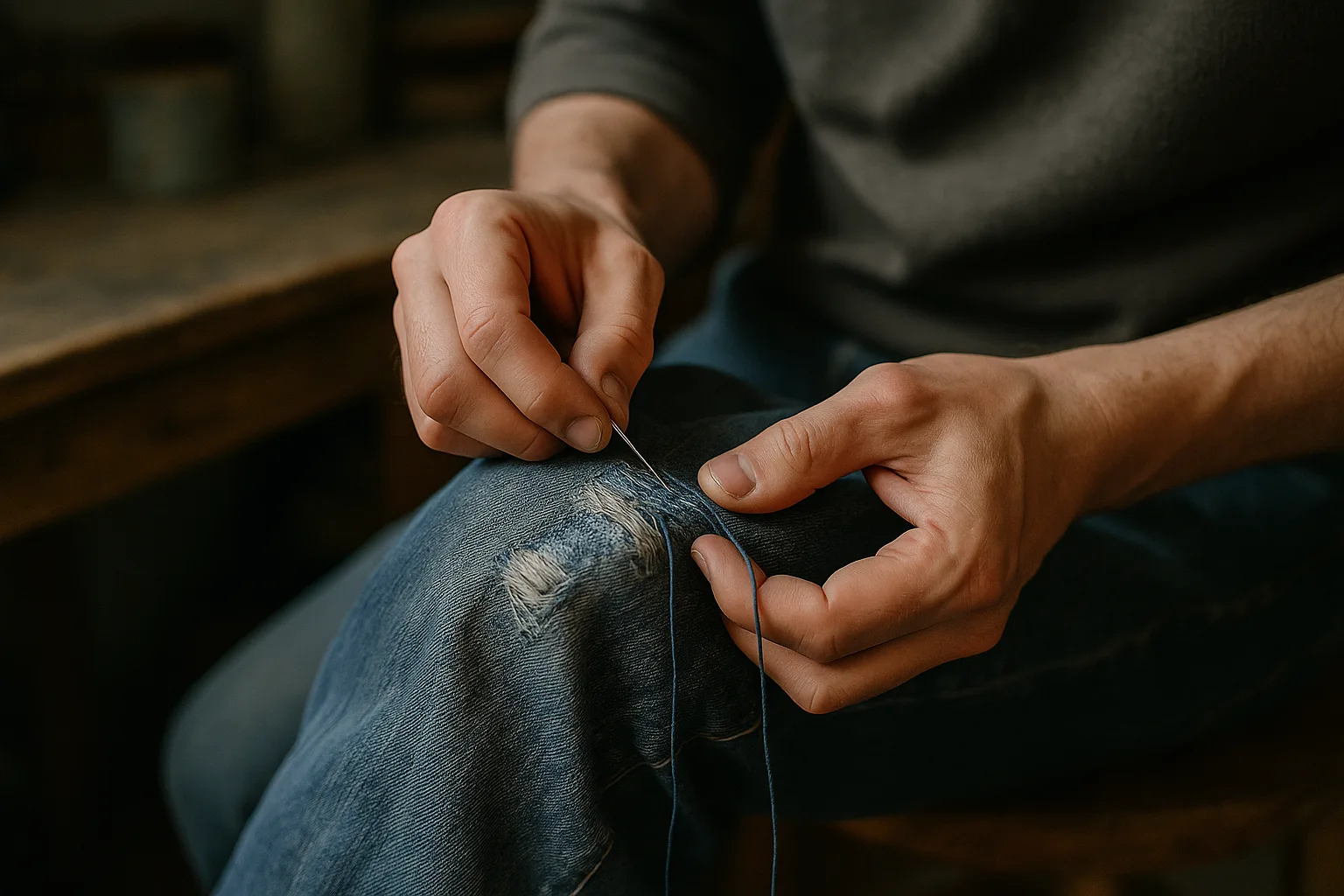
The Lake Natoma and American River Parkway cycling and kayaking community adds a different denim dimension: cyclists who ride the Lake Natoma loop or the American River Parkway from Folsom upstream, kayakers who launch from the Lake Natoma access points, and trail runners who do the Folsom Lake State Recreation Area trails before or after work need casual wear that transitions cleanly between outdoor-recreation use and post-trail social contexts. The cycling-compatible taper requirement here is similar to the Carmichael parkway pattern but with the additional Folsom-side consideration of the Lake Natoma launch-and-access pattern — the denim needs to read clean enough off the kayak that the post-water social context at a Folsom historic-district restaurant on Sutter Street reads as intentional. The multicultural Intel-family casual-wear register adds a third pattern: South Asian, East Asian, and Filipino Intel families whose casual wardrobe includes both Western denim and cultural-context casual wear (kurta-and-jeans combinations for casual family gatherings, cultural-tradition pieces alongside denim for weekend events) all benefit from the alteration scope that handles both registers at the same care level. The multi-generational Folsom Historic District household generates the fourth pattern: longtime Sutter Street and historic-district residents whose collection includes quality denim from ten or twenty years ago that is part of the everyday wardrobe rotation and needs structural maintenance rather than replacement. Newer retail denim from the contemporary corridor — including the Palladio at Broadstone and Folsom Premium Outlets retail mix — adds a steady baseline of straight hemming and basic taper work.
How It Works
Bring Your Denim
Walk in with your jeans, casual pants, or jackets. Wear the shoes you'll pair them with for accurate hemming.
Expert Fitting & Pinning
We'll assess the garment, discuss the look you want, pin for precision, and provide a clear quote on the spot.
Pick Up & Wear
Your perfectly altered denim is ready — original details preserved, fit transformed.
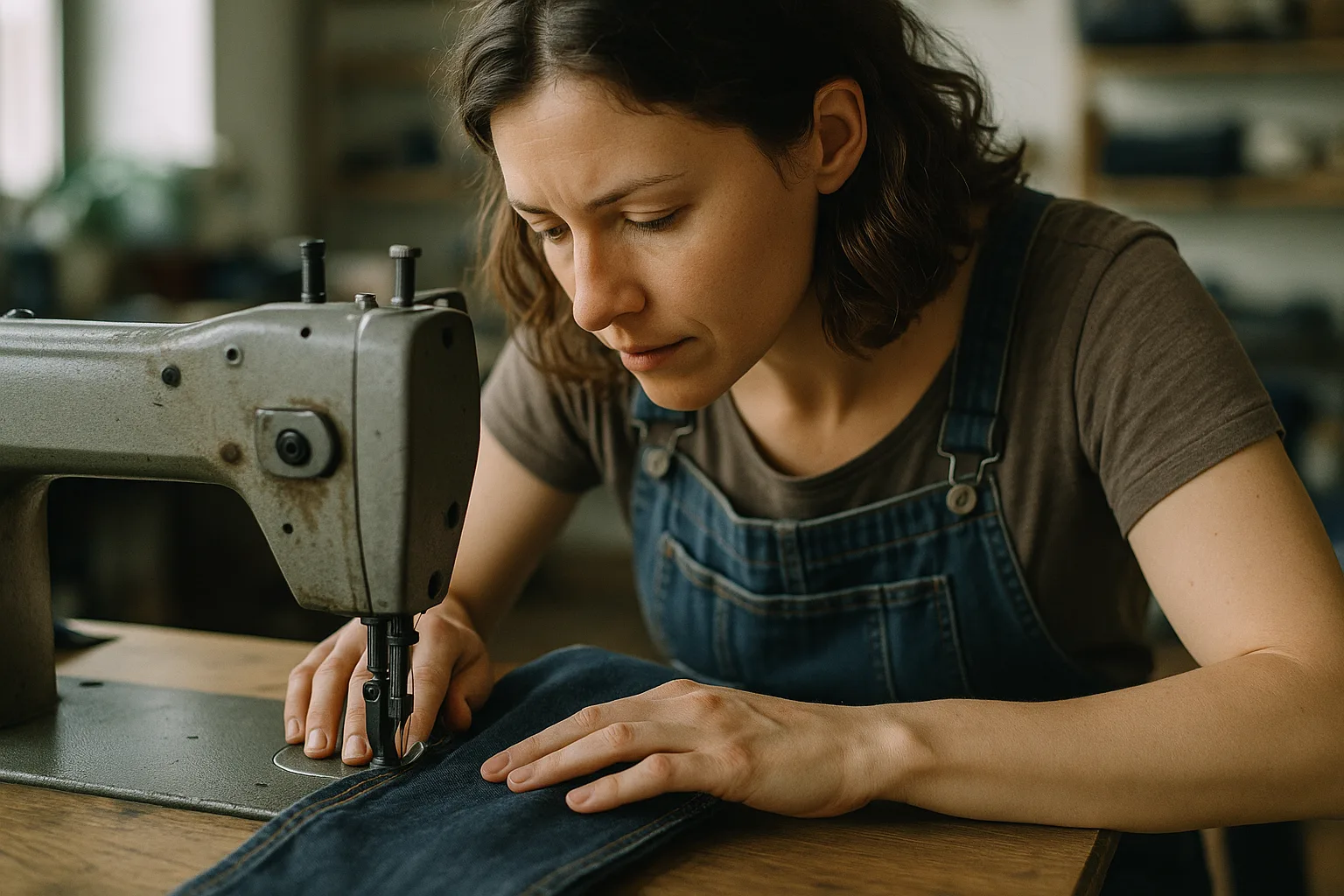
Walk-in for denim work — no appointment needed during weekday hours when the studio counter is open from eight until four or Saturday hours from nine until five at the Roseville bench twenty-five minutes west on Hwy-50. Bring the denim and the footwear you wear with it; the assessment-and-pin at intake takes ten to fifteen minutes. Standard turnaround four to five business days; original-hem preservation work runs five to six days because the chain-stitch setup requires additional preparation time. For Intel-family multicultural casual-wear pieces or for fragile cultural-context casual pieces, the assessment includes a piece-specific construction review at intake. For Folsom clients with pieces too delicate to transport or for the multi-generational Folsom Historic District household preferring an in-home pin, mobile assessment at the Folsom home address is on the option list.
Starting Prices
Prices vary based on garment type and complexity. Contact us for a precise quote.
Jeans & Denim
| Service | Starting price |
|---|---|
| Hem (Original Hem Preserved) | $30 and up |
| Hem (Standard) | $25 and up |
| Taper Legs | $45 and up |
| Waist In / Out | $55 and up |
| Zipper Replacement | $35 and up |
Casual Wear
| Service | Starting price |
|---|---|
| Pants Hem | $25 and up |
| Jacket Sleeve Shortening | $45 and up |
| Shirt / Blouse Taper | $35 and up |
| Hoodie / Sweatshirt Hem | $35 and up |
Why Folsom chooses us
Original Hem Experts
We preserve the factory distressed edge on your jeans — the alteration is virtually invisible.
All Denim Weights
From lightweight stretch jeans to heavyweight selvedge — we have the right equipment for every fabric.
Fast Turnaround
Most denim alterations are done within 3–5 days. Rush options available for 48-hour delivery.
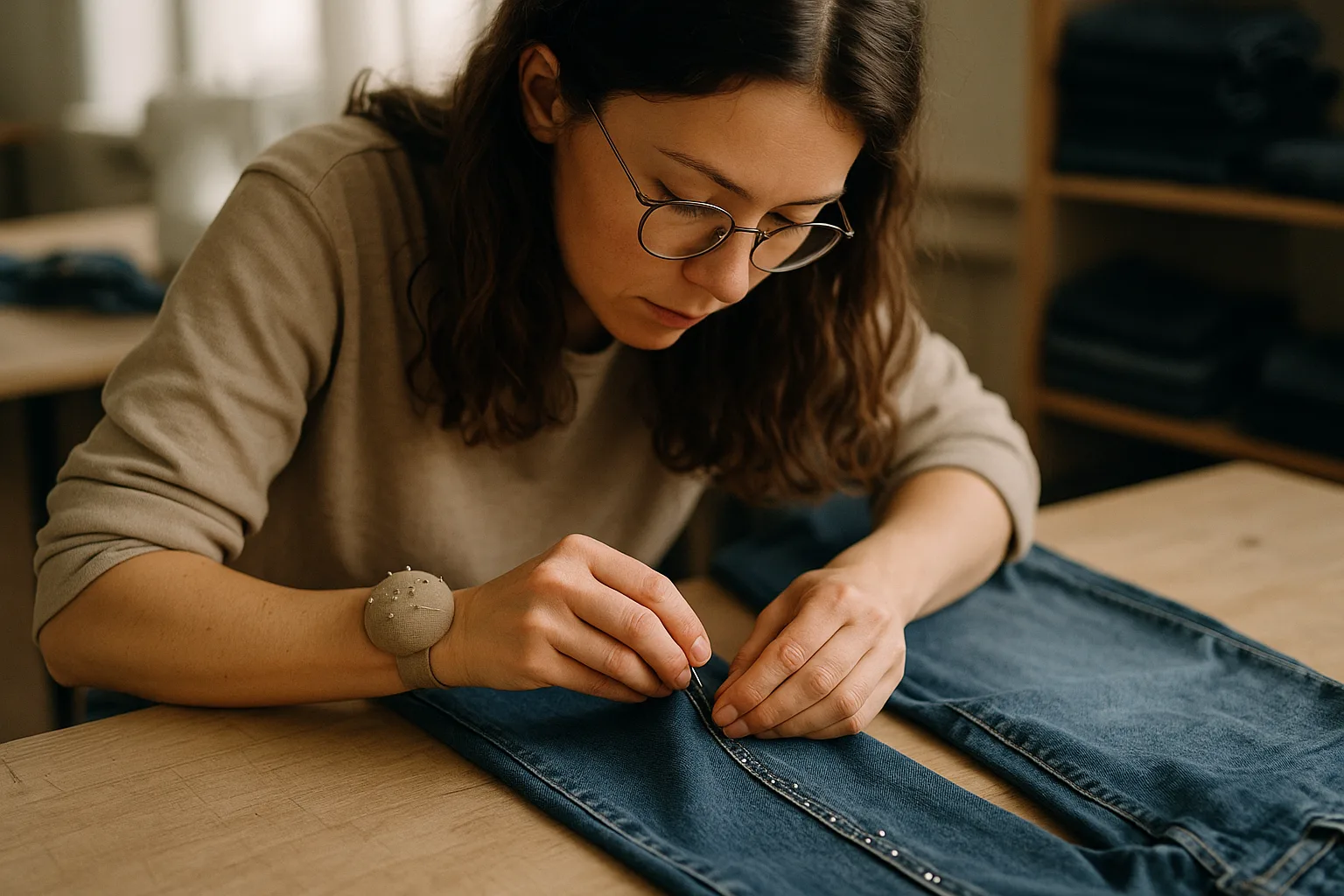
Three Folsom-specific reasons the denim bench handles work the standard dry-cleaner counter does not. First — the Intel Folsom Campus engineering casual-wear cycle has a specific taper-and-hem requirement that the standard dry-cleaner counter does not address; the cut has to read slim enough for the contemporary on-campus register, structured enough for the engineering-stance reach and customer-meeting context, and clean enough at the cuff for the on-campus-to-Palladio transition. The assessment with the actual footwear at intake matters because the shoe profile influences the ankle taper call.
Second — the Lake Natoma and American River Parkway outdoor-recreation community needs cycling-compatible and kayak-compatible denim with the thigh clearance, ankle taper, and structural durability that outdoor-use casual wear specifically requires; the assessment runs with the riding stance or the kayak-access posture verified rather than estimated from a standing measurement. Third — multicultural Intel-family casual-wear pieces (South Asian, East Asian, Filipino cultural-context casual alongside denim) are part of the standard scope at the same care level rather than referred elsewhere as exotic exceptions. Pricing tracks scope rather than cultural-context category, so the assessment is honest and the cost is matched to the actual work rather than to the piece's cultural significance.
Frequently Asked Questions
Other alteration services in Folsom
Leather Alterations in Folsom
From $75 — Specialized equipment; 12+ yrs on luxury materials.
48-Hour Hem in Folsom
From $35 — Drop off by 4pm, ready in 48 hrs — guaranteed.
Custom Tailoring in Folsom
From $200 — Suits, shirts, dresses built to your measurements.
Bundle Alterations in Folsom
From $180 — Bring 3+ garments and save 10–20% on the total.
Bridal Alterations in Folsom
From $75 — Bustle, hem, bodice; 2–3 fittings; book 6–8 wks out.
Mobile Tailoring in Folsom
From $35 — We come to you; same studio quality, no drop-off.
Alterations in Folsom
From $25 — Hemming, taking in, resizing — 3–5 day turnaround.
Denim Tailoring in nearby cities
Denim Tailoring in Granite Bay
~9 mi from our Roseville studio.
Denim Tailoring in Orangevale
~7 mi from our Roseville studio.
Denim Tailoring in Fair Oaks
~7 mi from our Roseville studio.
Denim Tailoring in Rancho Cordova
~12 mi from our Roseville studio.
Denim Tailoring in Roseville
~0 mi from our Roseville studio.
Denim & Casual Alterations in Folsom
Denim Alterations in Folsom That Keep the Jeans Looking Like Themselves
A good pair of jeans earns its keep. You break it in over months, the denim softens where it should, the fade settles into the seat and the knees, and eventually it fits like nothing else in the closet. Then the length is wrong, or the waist gapes, or the leg is wider than anything you'd buy today. That's where most people stall. They either fold the hem under and live with the bulk, or they let a quick-fix shop chop the bottom off and hand back a pair that looks nothing like what they brought in. Our denim work at Stitching Studio is built around a simpler idea: the jeans should come back recognizably yours, just fitting the way you wanted in the first place. We serve a lot of Folsom residents from our studio in Antelope, roughly seventeen miles away in the same county. It's an easy enough trip for a fitting, a drop-off, and a pickup, and the denim and casual work is some of the most requested we do.
Hemming Without Killing the Original Hem
The thing that separates a real denim hem from a rushed one is the factory edge. On most jeans, that bottom hem is finished with a specific thread color, a slightly puckered roping along the fold, and years of wash fade baked right into it. Cut it off and sew a fresh fold, and the jeans suddenly read as altered from across the room. The bottom looks raw and dark while the rest of the leg is broken in. People notice, even when they can't say why.