
Denim & Casual Alterations in Loomis
Perfect Fit for Your Everyday Wardrobe
Good denim work starts with respecting how a pair of jeans was actually built. Most of what comes to us from Loomis is a hem that needs to come up without losing the worn, faded edge the factory put there, so we keep that original hem and rebuild the length above it. We also take in waists, slim down legs, and patch the everyday stuff people live in. Our studio is a short drive away in Antelope, and a pair of jeans is an easy thing to fold into a trip out of town.
Updated
What this service looks like in Loomis
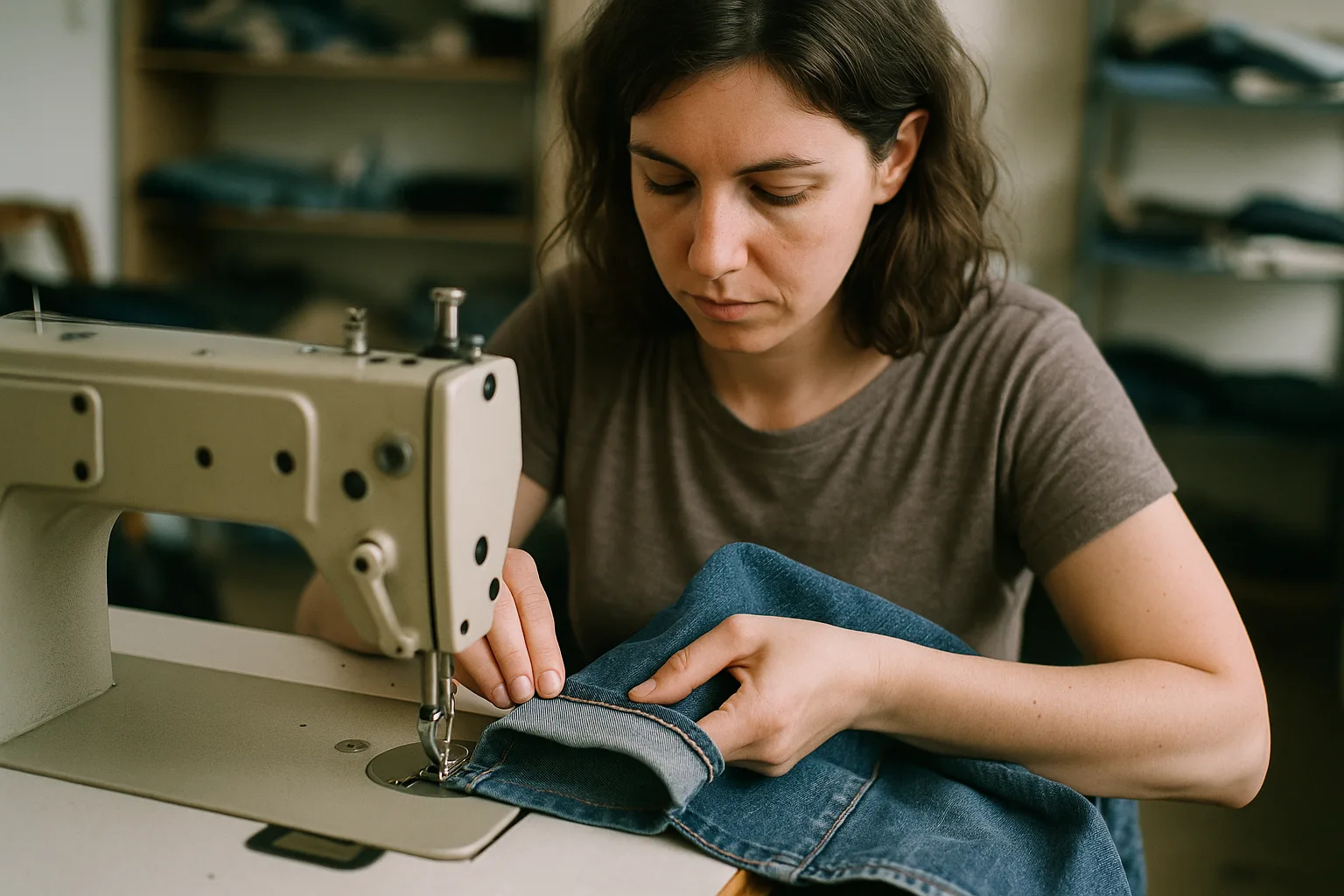
Loomis is one of those Placer County towns where the pace stays a little slower than the cities around it. Plenty of room between houses, a small downtown core, and folks who tend to buy clothing built to hold up. That shows up in what lands on our table. People here keep what they own and they want it to fit right, so a worn pair of jeans gets fixed instead of tossed, and a jacket with a dead zipper gets a new one rather than a trip to the store. The fit problem with denim is almost always one of three things: the inseam runs long, the waist gapes at the back, or a straight leg needs a cleaner line down to the ankle.
That last part matters because jeans are sized to a generic body, and a lot of people in a semi-rural area buy for toughness first and only notice the shape once they get the pair home. A tailor closes that gap. We handle the original-hem shortening that keeps good denim looking like it left the mill, and we do the tapering and waist work that makes an inexpensive pair sit the way it should. Our studio is about eighteen miles southwest, and the same denim and casual-wear service runs to the nearby towns too. Drop-off is simple. We pin it, mark it, and tell you straight whether a garment is worth the money to fix.
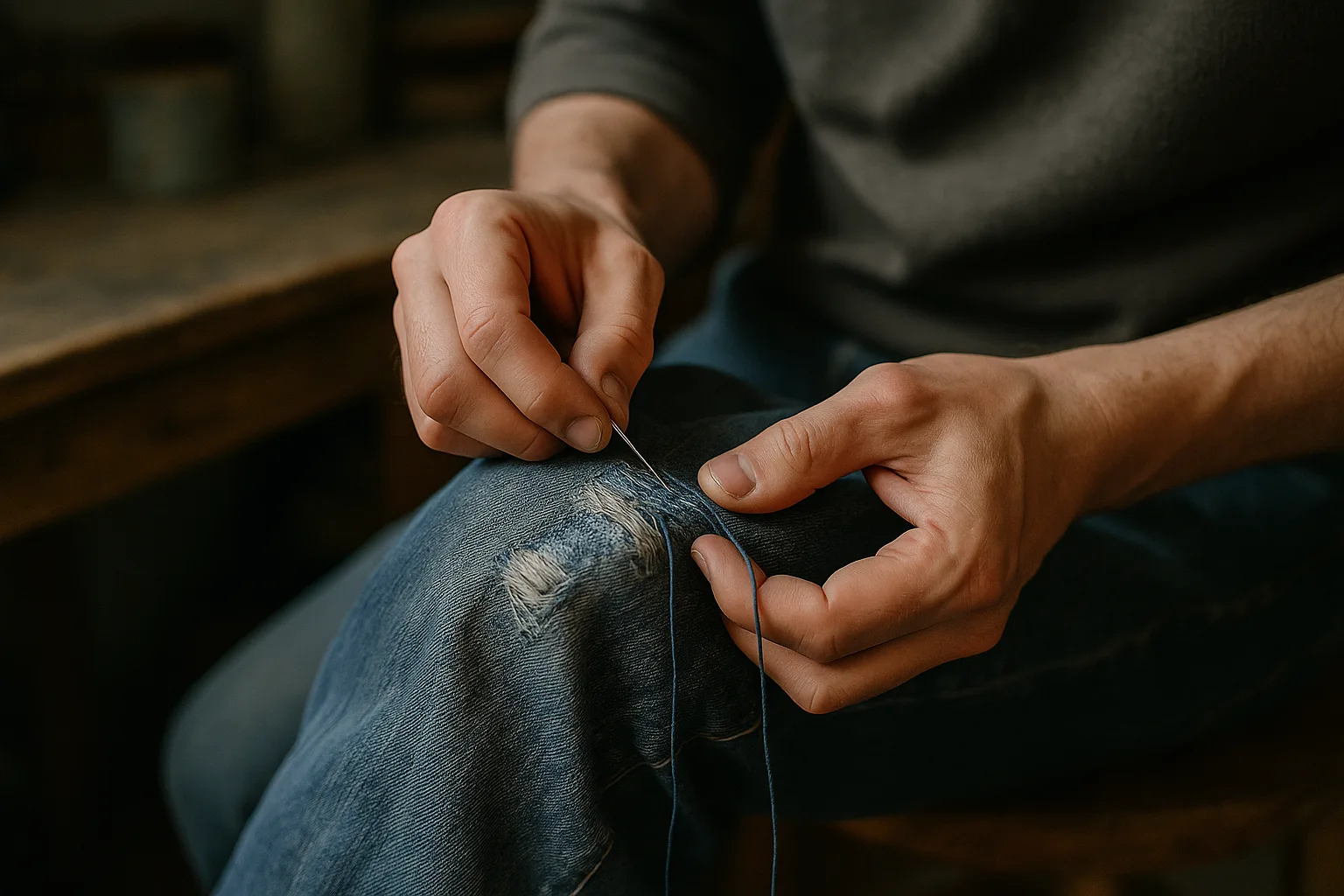
How It Works
Bring Your Denim
Walk in with your jeans, casual pants, or jackets. Wear the shoes you'll pair them with for accurate hemming.
Expert Fitting & Pinning
We'll assess the garment, discuss the look you want, pin for precision, and provide a clear quote on the spot.
Pick Up & Wear
Your perfectly altered denim is ready — original details preserved, fit transformed.
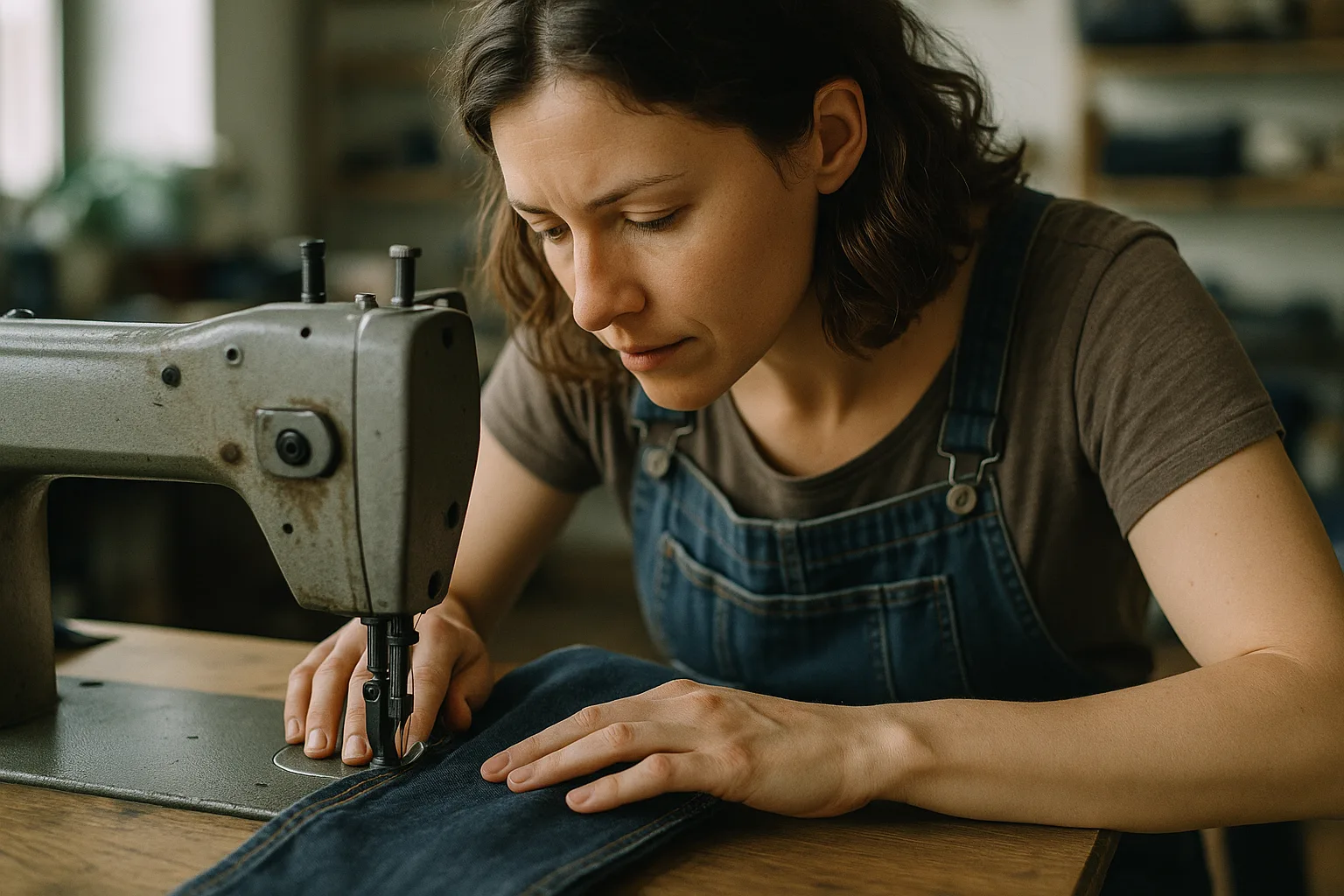
Bring the jeans in with the shoes you actually wear them with. That is what sets the break at the ankle, and a boot versus a sneaker can move the hem an inch. We pin the length on you, figure out whether to do an original-hem finish or a clean standard hem, and check the waist and seat while you are standing there. Most denim jobs turn around quickly. If you are driving over, call first at (209) 280-9964 so we have your measurements ready and you are not making a second trip across the county just for a fitting.
Starting Prices
Prices vary based on garment type and complexity. Contact us for a precise quote.
Jeans & Denim
| Service | Starting price |
|---|---|
| Hem (Original Hem Preserved) | $30 and up |
| Hem (Standard) | $25 and up |
| Taper Legs | $45 and up |
| Waist In / Out | $55 and up |
| Zipper Replacement | $35 and up |
Casual Wear
| Service | Starting price |
|---|---|
| Pants Hem | $25 and up |
| Jacket Sleeve Shortening | $45 and up |
| Shirt / Blouse Taper | $35 and up |
| Hoodie / Sweatshirt Hem | $35 and up |
Why Loomis chooses us
Original Hem Experts
We preserve the factory distressed edge on your jeans — the alteration is virtually invisible.
All Denim Weights
From lightweight stretch jeans to heavyweight selvedge — we have the right equipment for every fabric.
Fast Turnaround
Most denim alterations are done within 3–5 days. Rush options available for 48-hour delivery.
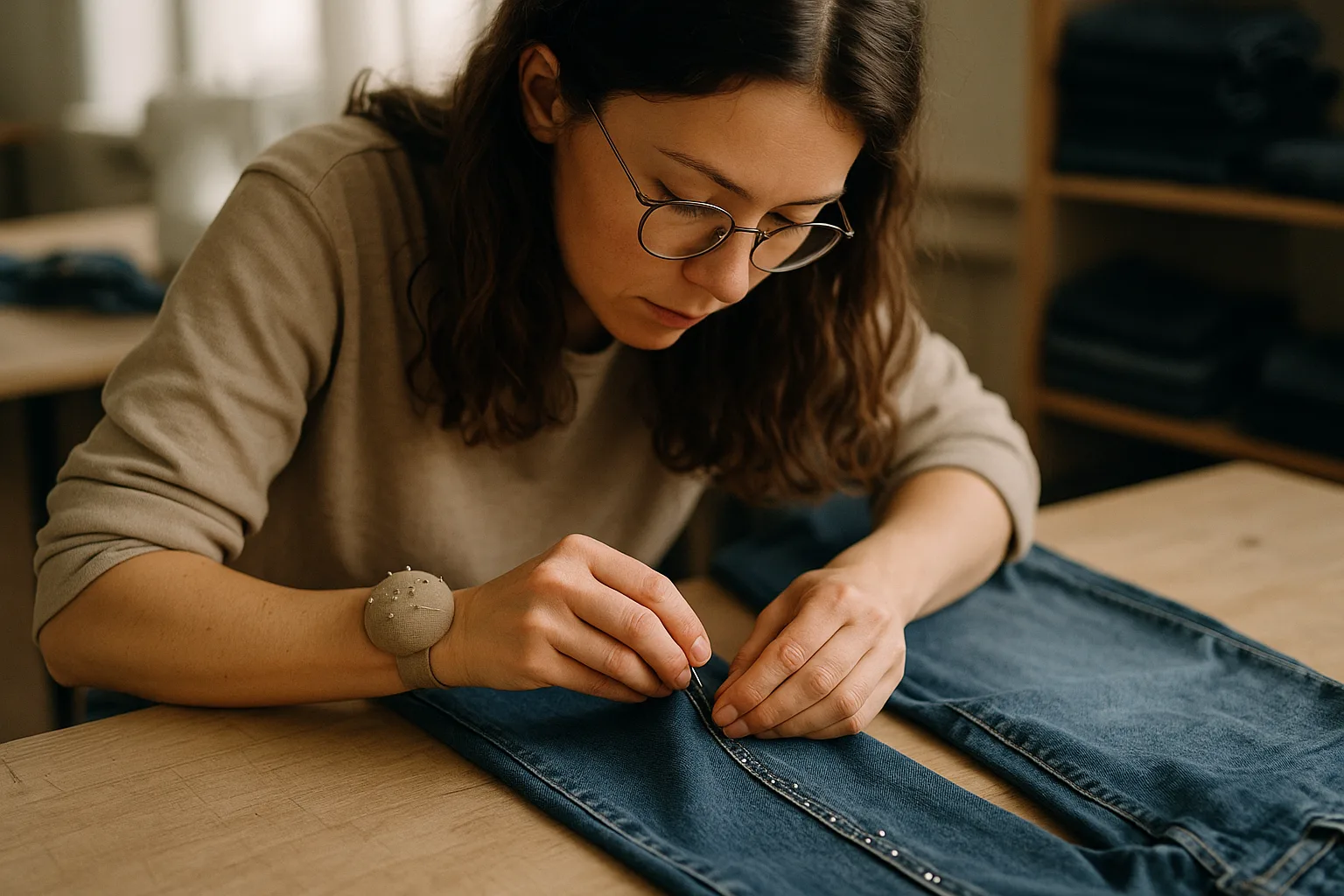
There are faster options than a drive, and we know it. What the trip buys you is denim that is genuinely reshaped to fit instead of just chopped shorter. Keeping a factory hem means cutting the excess from the inside and reattaching the real bottom edge, so the fade and the topstitching still read the way the maker intended. That takes the right machine and a steady hand, and it is the sort of step a quick mall kiosk skips.
A forty-dollar pair gets the same care here as a premium one, because the person wearing it cares either way. For folks who already head toward the valley for errands, dropping off a stack of denim is no real detour. You leave with jeans that fit the way they should have off the rack and casual clothes that earn a few more years of wear.
Frequently Asked Questions
Other alteration services in Loomis
Leather Alterations in Loomis
From $75 — Specialized equipment; 12+ yrs on luxury materials.
Custom Tailoring in Loomis
From $200 — Suits, shirts, dresses built to your measurements.
Bundle Alterations in Loomis
From $180 — Bring 3+ garments and save 10–20% on the total.
Bridal Alterations in Loomis
From $75 — Bustle, hem, bodice; 2–3 fittings; book 6–8 wks out.
Mobile Tailoring in Loomis
From $35 — We come to you; same studio quality, no drop-off.
Alterations in Loomis
From $25 — Hemming, taking in, resizing — 3–5 day turnaround.
Denim & Casual Alterations in Loomis
Denim Alterations for Loomis, Done the Way Good Jeans Deserve
Denim is a tricky thing to alter. It is heavy, the seams are bulky, the dye behaves differently from ordinary fabric, and the part most people want changed, the hem, is also the part that carries the garment's character. Plenty of shops can run a pair through a machine and chop off three inches. The harder job is doing it so the result still looks like the jeans you bought. That difference is what we want folks in Loomis to understand before they decide where to take a pair. Loomis sits in Placer County with a boutique, semi-rural feel, and the clothing that comes from there reflects a town that holds onto things. Worn jeans come in for repair, work pants come in for patches, jackets get passed down and refitted for whoever wears them next. People are not in a hurry to replace what still has life in it, and that mindset is exactly what makes alterations worth doing. A good fix almost always costs less than a good replacement, and it keeps a garment you already trust in the rotation.
Keeping the Original Hem on Your Jeans
The signature denim alteration, and the one we get asked for constantly, is shortening jeans while saving the original factory hem. When jeans are made, the bottom edge gets a specific finish: a certain stitch, a certain thread color, and over time a certain fade where the hem rolls and rubs against your shoe. That worn edge is a big part of what makes a pair look right. A standard hem throws all of it away. We cut a brand-new bottom, and even if that bottom is clean, it reads as new and is often a shade off from the rest of the leg.