
Bridal Alterations in Antelope
Your Dream Dress, Perfectly Fitted
Wedding-gown alteration at 1220 Melody Lane, Suite 180 covers the full scope of what a bridal piece typically needs between purchase and ceremony: bodice fitting, hem (including cathedral and chapel train), bustle installation, zipper and closure work, strap adjustment and replacement, and the multi-fitting process that tracks the wearer’s measurements across the weeks between the first fitting and the final fitting before the ceremony day. Antelope brides book the first fitting 6–8 weeks before the ceremony date, and the studio works across the Center Joint Unified and Sacramento Valley wedding season from spring through fall. Walk-ins for a bridal consultation are welcome, but the initial fitting requires a booked appointment — available online or by calling the studio directly — because the fitting station is cleared and the queue is managed around the fitting timeline rather than a walk-in slot.
Updated
What this service looks like in Antelope
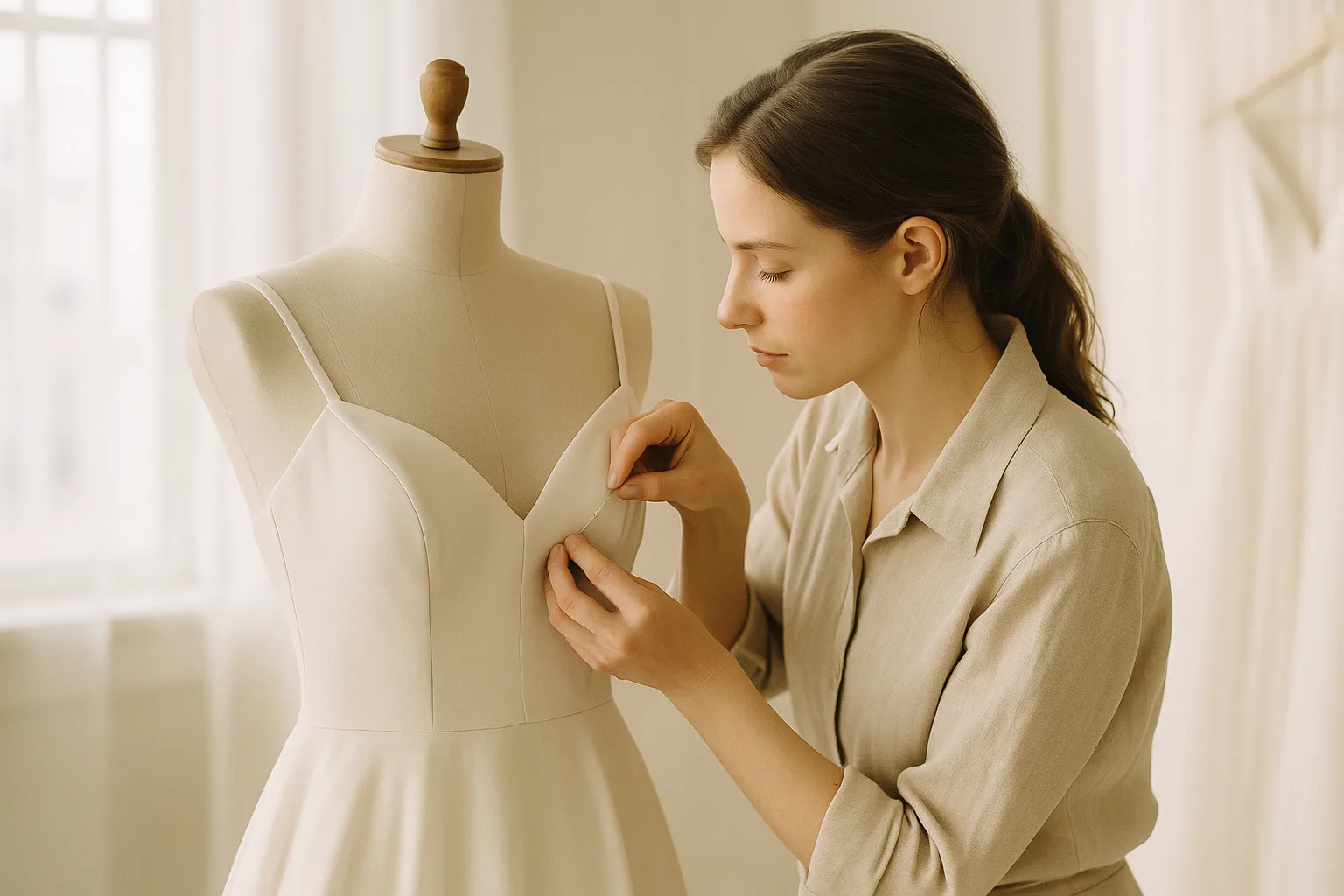
The bridal alteration caseload at the Roseville bench distributes across three geographic and demographic patterns that the studio has calibrated its process and capacity around. The first and largest is the Antelope-and-adjacent bride: a resident of the Antelope Hills, Foothills Junction, or Stafford Ranch communities whose ceremony is at one of the Sacramento Valley venues within the I-80 corridor and who has either purchased her gown from a Sacramento or Roseville bridal retailer or ordered online. This client’s fitting schedule runs through the standard 6–8 week multi-fitting process, and the proximity of the studio to Antelope addresses means the fitting appointments fold into the weekly household schedule without the half-day Sacramento drive that most out-of-area shops require. The second pattern is the bridesmaid cohort from an Antelope-based wedding — a group of four to six bridesmaids whose dresses arrive from a batch order at varying measurements, and who each need a hem, a bodice adjustment, or both within the same three-week window before the ceremony.
The bench manages these as a coordinated batch rather than six individual queue entries, and the timeline conversation happens with the bride rather than with each bridesmaid individually. The third pattern, smaller but recurrent, is the inherited or heirloom gown — a bride from the Antelope network who wants to wear a mother’s or grandmother’s gown from the Foothills Junction household, where the construction may be vintage and the measurement gap between the original wearer and the current bride is substantial. Heirloom gown work requires a more extended assessment at the first fitting than a contemporary gown purchase, because the fabric condition and the original construction determine which alterations the bench can safely make and which would risk the garment. The honest assessment at first fitting covers both the scope that is achievable and the scope that would push the fabric or construction beyond what it can hold, and the bride leaves the first fitting with a clear written scope and a realistic delivery timeline regardless of which category the gown falls into.
How It Works
Bridal Consultation
Bring your gown for an initial assessment. We'll discuss your vision, timeline, and any special requirements.
Multiple Fittings
We schedule 2-3 fittings to ensure every detail is perfect — bodice, hem, bustle, and finishing touches.
Your Perfect Day
Your gown is pressed, steamed, and ready for pickup. Walk down the aisle with complete confidence.
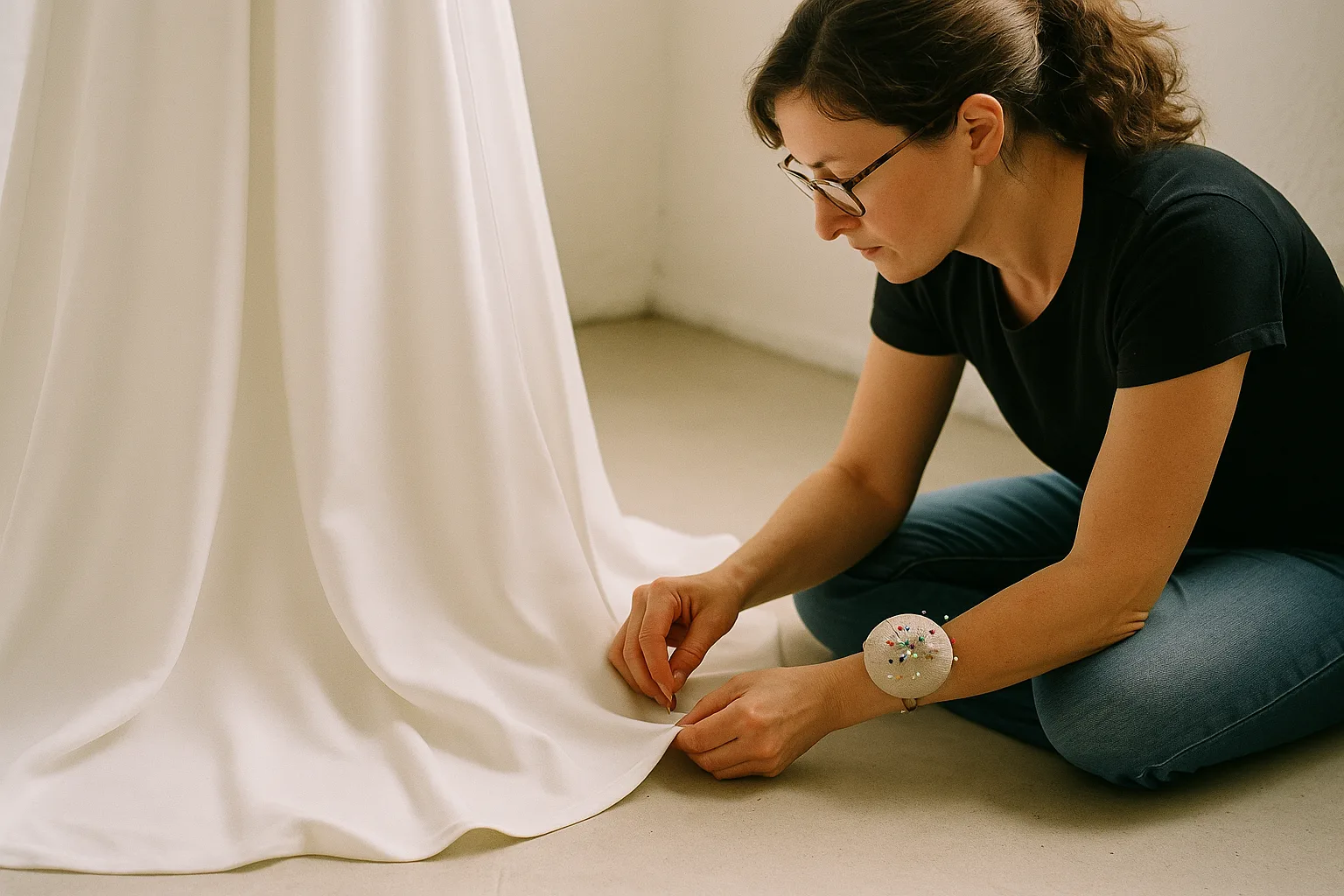
Bridal alterations at the Roseville bench run in a multi-fitting format: first fitting (initial pin, scope assessment, written quote, timeline commitment), second fitting (adjusted garment check, any further scope refinement), and final fitting (completion check, bustle instruction if applicable, pickup). For a standard contemporary gown the process runs in 3 fittings over 5–7 weeks; for a complex gown (very full skirt, structured bodice, vintage construction, or heirloom piece) the process may run 4 fittings over 7–9 weeks. Book the first fitting at least 6–8 weeks before the ceremony date; 10–12 weeks is preferable for complex gowns. First fitting is booked by appointment — online or by phone. Bring the gown to the first fitting in its garment bag with the shoes and undergarments you will wear at the ceremony, since hem length and bustle height are calibrated against both. The studio provides bustle instruction at the final fitting and can provide a written step-by-step for the wedding-day helpers who will bustle the gown.
Starting Prices
Prices vary based on garment type and complexity. Contact us for a precise quote.
Wedding Gowns
| Service | Starting price |
|---|---|
| Hem (Simple) | $150 and up |
| Hem (Multi-Layer) | $250 and up |
| Bodice Take In / Let Out | $200 and up |
| Bustle Installation | $75 and up |
| Strap / Sleeve Alteration | $100 and up |
Bridesmaid & Party
| Service | Starting price |
|---|---|
| Hem (Shorten / Lengthen) | $45 and up |
| Take In / Let Out | $65 and up |
| Strap Adjustment | $35 and up |
Why Antelope chooses us
Bridal Specialists
Years of experience working with delicate bridal fabrics — lace, tulle, silk, and more.
Flexible Scheduling
We accommodate your wedding timeline with priority scheduling and rush options.
Stress-Free Experience
From first fitting to your big day — we make the process joyful and seamless.
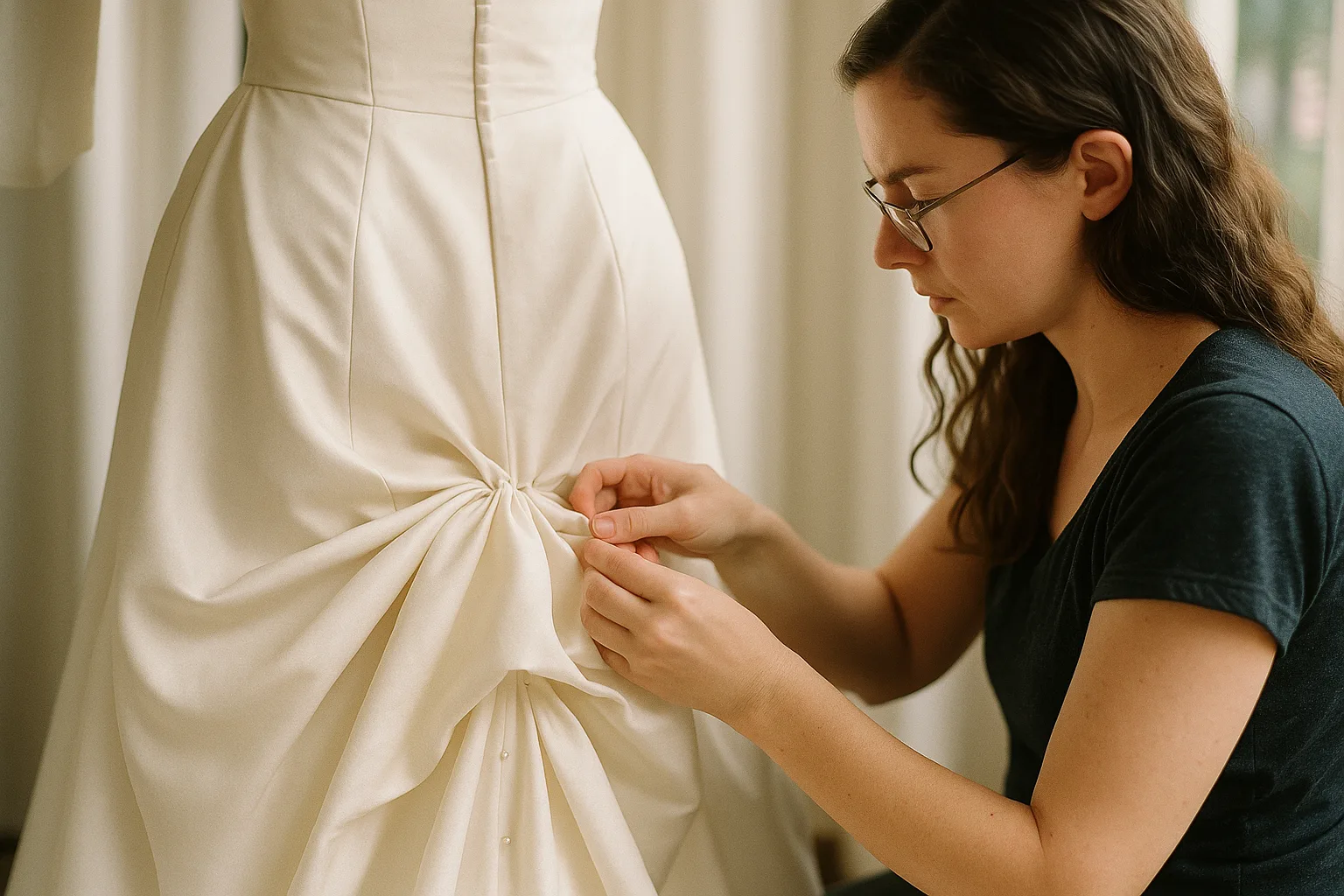
The practical argument for an Antelope bride choosing the Melody Lane bench over a Sacramento or Roseville bridal shop alteration service is the fitting-appointment arithmetic: a multi-fitting process that requires three or four visits to the same studio over six to eight weeks either costs half a dozen Sacramento-traffic afternoons or it does not, and for a bride with a full-time schedule, children on the Center Joint Unified calendar, or a household running the standard Antelope-corridor week, those afternoons are a real cost.
The five-minute drive from Antelope Hills or Stafford Ranch versus the thirty-minute drive to midtown Sacramento is a concrete difference in what a fitting appointment costs the household in time and planning overhead. That said, the proximity argument is only worth making if the work quality holds — which is why the bench operates a 7-day re-fit guarantee on bridal work the same as on every other garment, and why the final fitting before the ceremony date includes a full wear-and-sit check rather than a hanging assessment. A gown that fits at the final fitting and reads wrong at the rehearsal comes back the following week without a surcharge.
Frequently Asked Questions
Other alteration services in Antelope
Leather Alterations in Antelope
From $75 — Specialized equipment; 12+ yrs on luxury materials.
Denim Tailoring in Antelope
From $25 — Original-hem preservation, tapering, waist adjustment.
48-Hour Hem in Antelope
From $35 — Drop off by 4pm, ready in 48 hrs — guaranteed.
Custom Tailoring in Antelope
From $200 — Suits, shirts, dresses built to your measurements.
Bundle Alterations in Antelope
From $180 — Bring 3+ garments and save 10–20% on the total.
Mobile Tailoring in Antelope
From $35 — We come to you; same studio quality, no drop-off.
Alterations in Antelope
From $25 — Hemming, taking in, resizing — 3–5 day turnaround.
Bridal Alterations in nearby cities
Bridal Alterations in Citrus Heights
~3 mi from our Roseville studio.
Bridal Alterations in North Highlands
~7 mi from our Roseville studio.
Bridal Alterations in Rio Linda
~11 mi from our Roseville studio.
Bridal Alterations in Roseville
~0 mi from our Roseville studio.
Bridal Alterations in Sacramento
~16 mi from our Roseville studio.
Bridal Alterations in Antelope
Bridal and Wedding Dress Alterations in Antelope
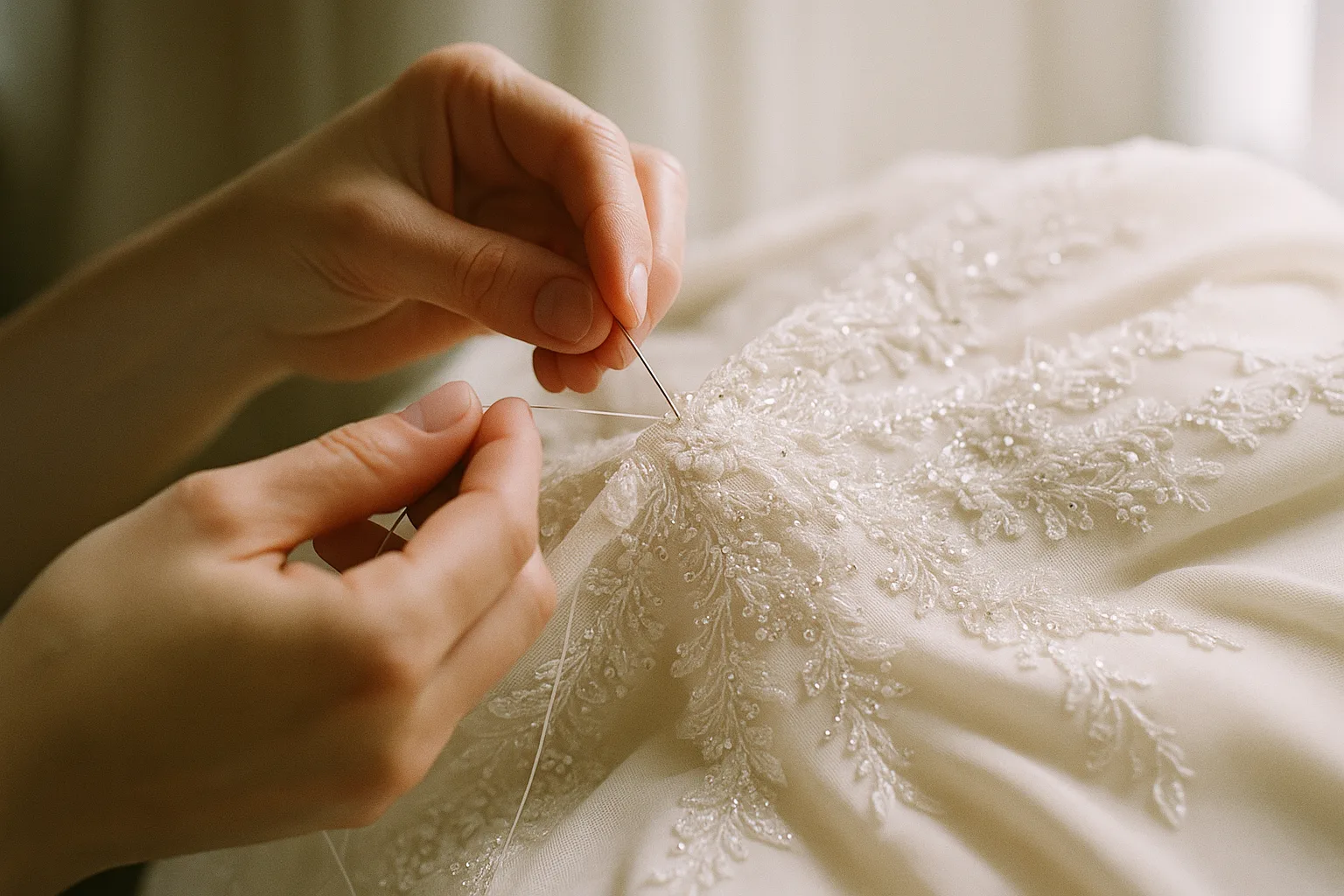
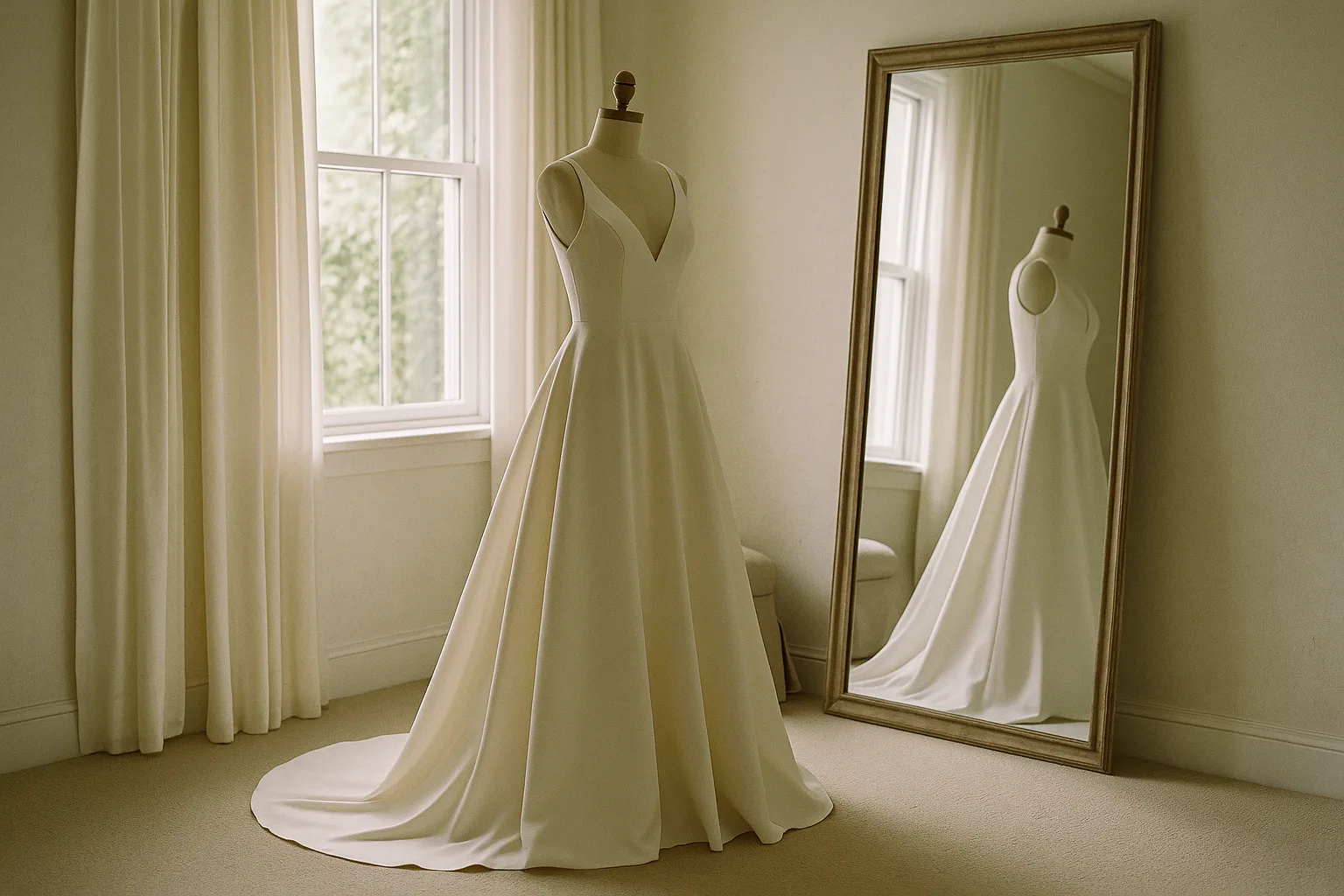
A wedding gown almost never fits the way it should straight off the rack or out of the box. That's normal. Bridal sizing runs its own scale, the sample you tried on was cut for someone else's frame, and the dress that gets shipped to you is built to a standard chart that no real body matches exactly. The work of bridal alterations is closing that gap, taking a beautiful but generic garment and making it sit on your shoulders, hug your waist, and fall to the floor at the right length. Here in Antelope, that's the bench work we do, fitting by fitting, until the dress moves the way you do. Most brides underestimate how much hand sewing a gown takes. A pair of trousers might be a single visit. A wedding dress is a project, with layers, boning, and beadwork that has to be lifted and reset by hand, all against a deadline that doesn't move.
What gown alterations actually involve
Hemming is usually the biggest single job, and it's rarely as simple as shortening a skirt. A full bridal hem can mean taking up several layers of fabric, lining, and an underskirt independently, then matching them so the finished edge falls evenly all the way around. If the gown has a horsehair braid or a beaded border, that trim has to come off, the length gets corrected, and the trim goes back on so the original detail is preserved. The same goes for lace edges, which we cut and reapply rather than fold under, because a folded lace hem reads as a mistake.