
Leather, Fur & Suede Alterations in Antelope
Luxury Materials Deserve Expert Hands
Specialty hide and exotic-material work runs on dedicated machines — industrial walking-foot heads with leather-rated needles, sub-feed plates calibrated for suede, and finishing equipment for fur and shearling — and very few alteration benches inside a fifteen-minute drive of Antelope are set up for any of it. The studio at 1220 Melody Lane, Suite 180 carries the equipment and the master-tailor handling for jackets, coats, gloves, motorcycle gear, ski and snowboard outerwear, fur stoles and capes, suede skirts and trousers, and the hybrid leather-cotton or leather-wool pieces that have become common in the last decade. Bring the piece for a counter assessment before booking the work, because the honest scope conversation on a leather or fur garment happens before pricing — what looks like a simple seam adjustment on a wool jacket can require a different protocol on a leather one, and the equipment fit and fabric tolerance need eyes on the piece before any commitment.
Updated
What this service looks like in Antelope
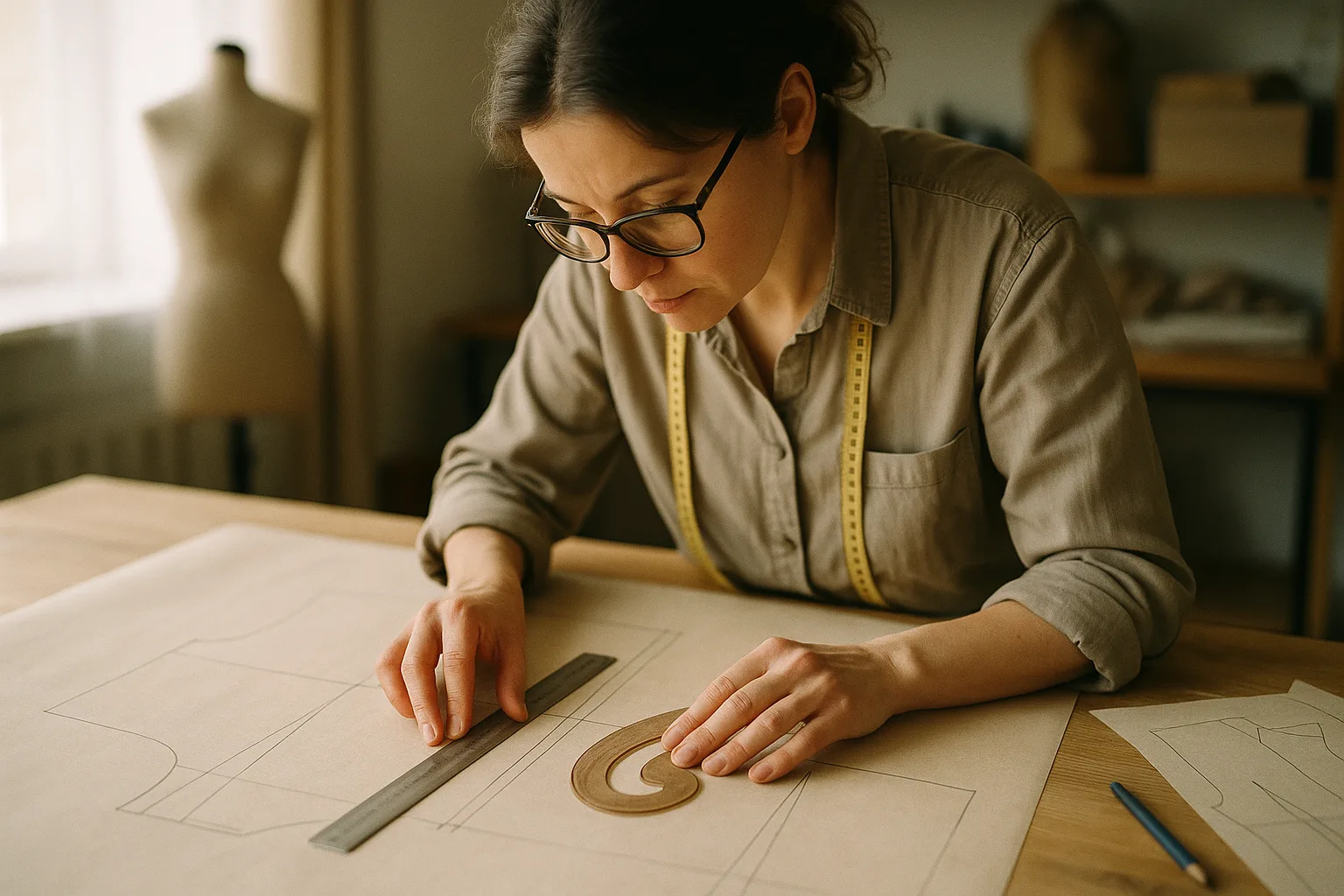
The specialty-material flow into the Roseville counter follows three recognizable Sacramento-region threads, and the bench position on the Roseville Road corridor sits closer to all three than any other equipment-equipped tailor in this radius. The first thread is motorcycle outerwear from the Antelope, North Highlands, and Citrus Heights riding community that runs the I-80 and Highway 65 corridors during the spring-through-fall riding season. Leather jackets need re-stitching at the high-wear seams — elbow patches, shoulder yokes, back-panel intersections — after a few seasons of regular wear; leather riding pants need taper or waist adjustment after a fit change; and the integrated armor pockets on modern textile-leather hybrids occasionally need rebuilding when the internal hook-and-loop releases. The bench handles all of that on the dedicated walking-foot machines that the standard alteration equipment cannot stress without damaging the leather grain. The second thread runs ski and snowboard outerwear pulled forward from Tahoe-trip season — late-winter and early-spring intakes of insulated shells whose cuffs need shortening, hems need rework after a sleeve length change, or whose specialty closures (storm flaps, snap-tape resets) need replacement.
Antelope and Foothills Junction households running the I-80 corridor to Tahoe regularly trade up shells every few seasons, and the carried-forward pieces from a partner or family member often need re-sizing for the new wearer. The third thread, smaller in volume but heavy in scope, is inherited fur and shearling — stoles, capes, full-length coats from grandparents who came up through the Bay Area mid-century and migrated out to the Sacramento foothills in retirement, then passed the formal furs along to children and grandchildren in the Antelope-area family network. Fur work is its own discipline (the bench handles relining, hem rework, and partial restoration but does not take on full restyling, which we route out to specialist furriers) and the honest conversation at intake confirms whether the scope fits this bench or whether the piece is better served elsewhere. Across all three threads, the cross-Sacramento drive that the alternative implies is the calculation we hear most often at intake: most Antelope clients carrying a leather or fur piece have already considered the downtown Sacramento and East Sacramento specialty options, and the realistic reason for the Roseville Road bench is that they are nine minutes from home rather than thirty, with the same caliber of equipment available here.
How It Works
Bring Your Garment
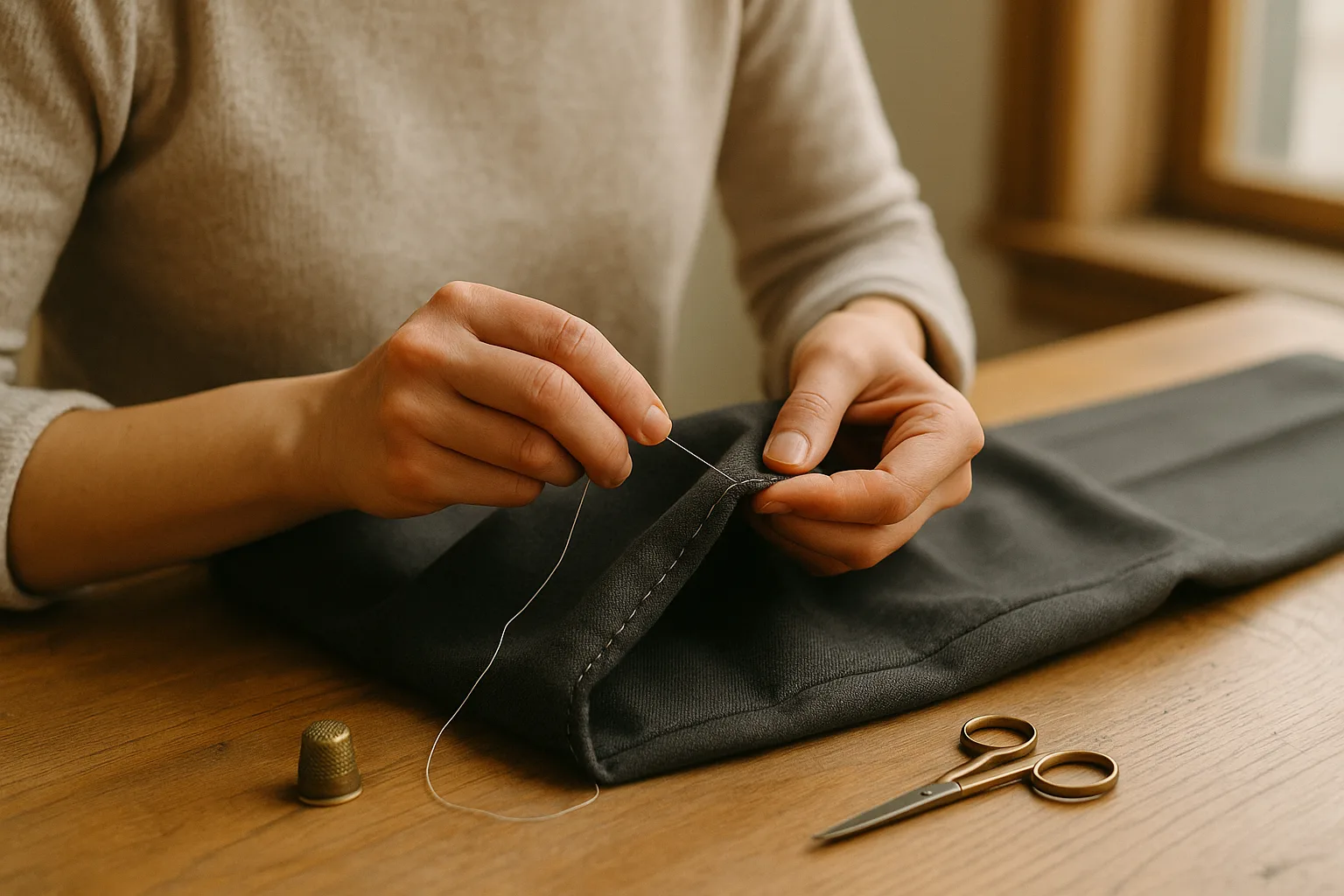
Bring your leather jacket, fur coat, or suede piece for a free in-person assessment and detailed quote.
Specialist Alteration
Your garment is handled by our master tailor using specialized needles, thread, and machinery designed for luxury materials.
Quality Check & Pickup
Every seam is inspected before handoff. Try it on in-studio to ensure a flawless fit.
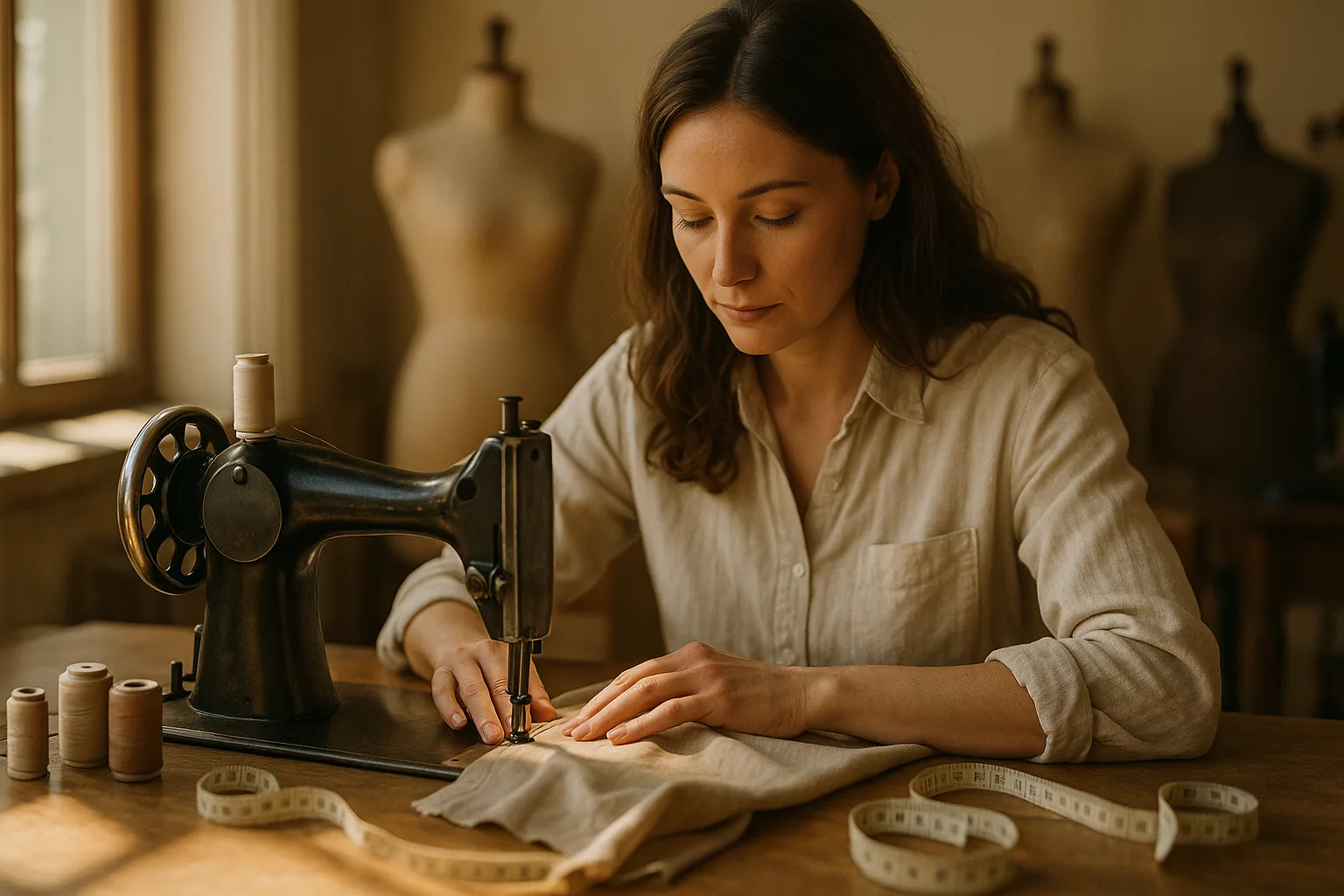
Specialty material intakes always start with a counter assessment because the equipment fit and the fabric tolerance need eyes on the piece before pricing commits. Walk in during weekday counter hours or Saturday morning with the garment, and the bench runs the assessment in front of you — equipment fit (which machine the seam work needs), fabric tolerance (whether the leather, suede, or fur grain accepts the proposed scope), and turnaround estimate (which is usually 5–7 business days for hide work, longer than the standard cycle by design because the bench protocols add steps). In parallel, mobile pin for hide work is available at Antelope addresses but only after a counter visit has confirmed scope, since the leather and fur assessment is harder to run from photos alone. The seven-day re-fit guarantee applies to specialty work the same way it does to standard alterations, and the pickup conversation includes care notes specific to the material so the post-alteration garment holds against regular wear.
Starting Prices
Prices vary based on garment type and complexity. Contact us for a precise quote.
Leather & Suede
| Service | Starting price |
|---|---|
| Jacket Hem / Shorten | $75 and up |
| Sleeve Shortening | $85 and up |
| Take In / Let Out | $95 and up |
| Zipper Replacement | $85 and up |
| Lining Replacement | $120 and up |
Fur & Specialty
| Service | Starting price |
|---|---|
| Fur Coat Resizing | $150 and up |
| Fur Collar / Cuff Adjustment | $85 and up |
| Shearling Alterations | $120 and up |
| Exotic Skin Repair | $95 and up |
Why Antelope chooses us
Specialized Equipment
Industrial machines with Teflon feet, walking feet, and heavy-duty needles designed for leather and suede.
12+ Years Experience
Our master tailor has over a decade of experience working with luxury and exotic materials.
Preserve & Protect
We work with the grain of the material — no damage, no stretching, no compromised integrity.
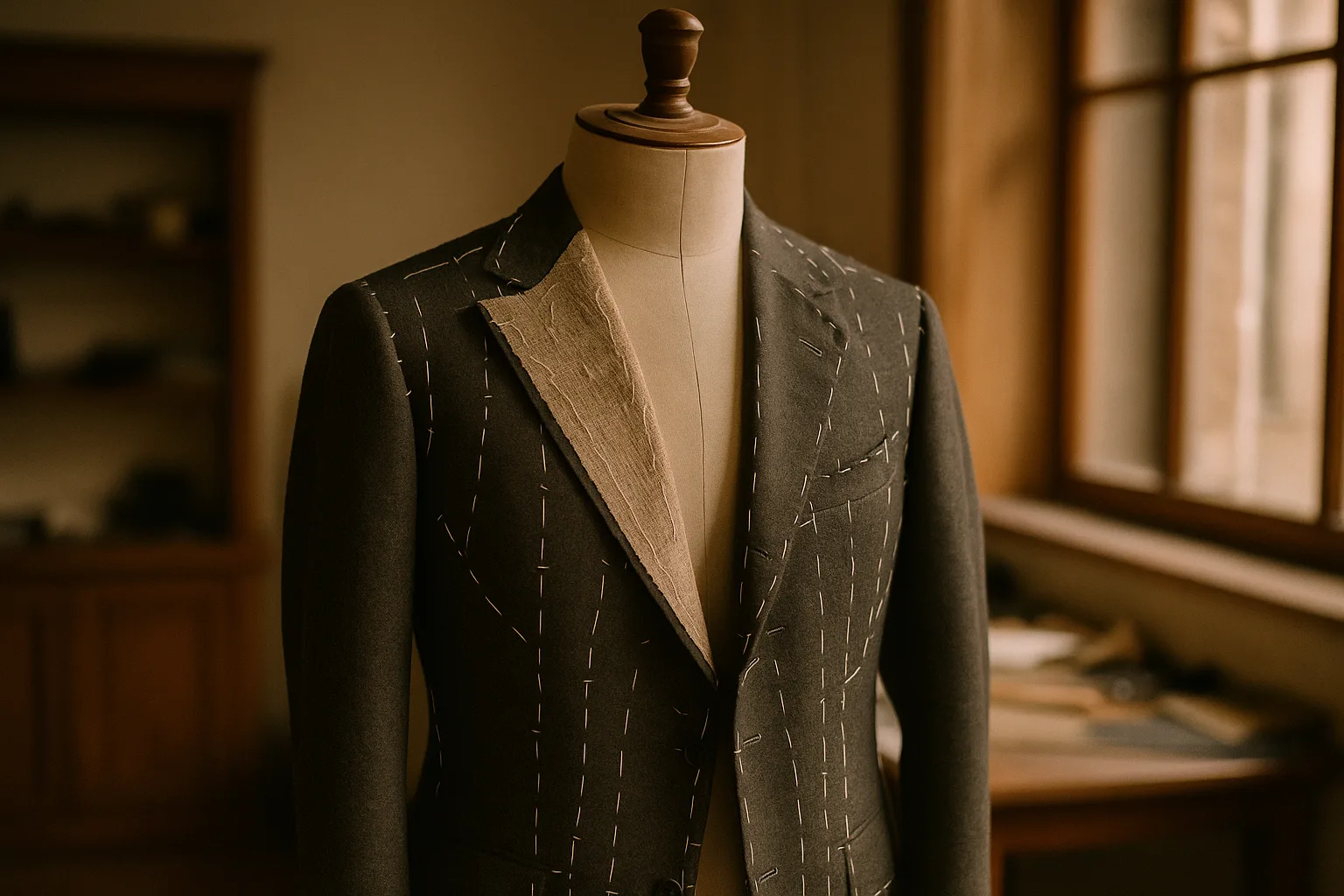
What the Roseville bench earns through the specialty-material equipment investment is not the ability to compete on raw price against discount counters — which on hide work mostly do not exist in this radius anyway, because most general-purpose tailors do not own the machines — but the ability to keep the work close enough to home that the household actually books it instead of stalling. Inherited fur in a closet for ten years because the nearest qualified bench was in downtown Sacramento and the family never made the trip is a recurring pattern we see at first intake; the equipment investment exists to break that pattern.
Alongside the machines, the master-tailor handling matters: leather seam work is unforgiving in a way wool is not — a needle of the wrong gauge perforates the grain in a pattern that cannot be undone, and the protocol decisions (when to switch needle types mid-seam, when to substitute hand-stitching for machine work on a high-stress intersection) happen by judgment rather than by checklist. The bench carries a single master responsible for those calls. The seven-day re-fit window stays in force on specialty work, which on leather and fur pieces means we absorb the cost of any post-pickup adjustment within the week — not because it happens often, but because the household needs that safety on a high-value piece more than on a generic hem.
Frequently Asked Questions
Other alteration services in Antelope
Denim Tailoring in Antelope
From $25 — Original-hem preservation, tapering, waist adjustment.
48-Hour Hem in Antelope
From $35 — Drop off by 4pm, ready in 48 hrs — guaranteed.
Custom Tailoring in Antelope
From $200 — Suits, shirts, dresses built to your measurements.
Bundle Alterations in Antelope
From $180 — Bring 3+ garments and save 10–20% on the total.
Bridal Alterations in Antelope
From $75 — Bustle, hem, bodice; 2–3 fittings; book 6–8 wks out.
Mobile Tailoring in Antelope
From $35 — We come to you; same studio quality, no drop-off.
Alterations in Antelope
From $25 — Hemming, taking in, resizing — 3–5 day turnaround.
Leather Alterations in nearby cities
Leather Alterations in Citrus Heights
~3 mi from our Roseville studio.
Leather Alterations in North Highlands
~7 mi from our Roseville studio.
Leather Alterations in Rio Linda
~11 mi from our Roseville studio.
Leather Alterations in Roseville
~0 mi from our Roseville studio.
Leather Alterations in Sacramento
~16 mi from our Roseville studio.
Leather, Fur & Suede Alterations in Antelope
Leather, Fur and Suede Work in Antelope
Leather doesn't behave like cloth when something's wrong with the fit. A wool blazer that's too big will hang loose and you can take it in without much fuss. Hide is stiffer, and here's the part that catches people off guard: every needle hole you put in it stays there for good. There's no easing a seam and trusting it to settle flat. That one fact is why most alteration counters wave you off the minute you walk in with a leather coat. We take that work here in Antelope because we have the machines for it and we don't mind the time it eats up. So this page sticks to leather, suede, shearling and fur. If you've got a coat you'd hate to lose, something you found secondhand for a fraction of what it cost new, or a jacket that's been parked in the closet since the zipper quit, that's the kind of thing we're set up to handle. Resizing. Sleeve length. Lining repair. Hardware swaps and seam splits. It's slow work, and we're fine with slow.
Why Leather and Suede Need Their Own Approach
Start with the machine, because everything else follows from it. A home machine, and honestly even a lot of commercial garment machines, can't drive a needle through three or four stacked layers of cowhide and lambskin and a zipper tape in one pass. The feed dogs skid on the slick underside of the hide. The tension is set wrong for the heavier thread these jobs call for. You want a walking-foot industrial machine, a needle in the right gauge, and bonded thread that won't quietly saw through the leather a year down the road. We run gear built for it. That alone decides whether a repair holds or splits open the first cold morning you yank the zipper up to your chin. Then you've got the hide itself, which holds a memory. Pull out an old seam and the original stitch line is still sitting there, so a resize has to be planned around where the coat was first built, not wherever a tape measure happens to land. Suede asks for an extra dose of care, since the nap takes pressure marks and the surface scuffs if you're rough with it. Shearling and fur are their own animals again. We're not guessing our way through any of this, but it does mean we want eyes on a piece before we quote it, instead of reading you a flat number off a list the way a chain shop would.